

👇 Ember First 👇
Most people think being stuck means nothing is happening. Ember Theory says being stuck is often when everything important is happening—just not where you can see it.
You don’t lose momentum during hard times. You redirect it inward—into healing, processing, and rebuilding.
The mind will label stillness as failure. But in the Ember Phase, stillness is often protection, not stagnation.
You can be making progress and feel worse at the same time. Awareness increases before relief does.
Your inner critic gets louder when you're closest to change. Not because you're failing—but because your identity is shifting.
Not all growth looks like forward movement. Some of it looks like pausing, pulling back, or doing less..
Before we go any further, if you haven’t read the first two parts of this series, I highly recommend starting there. In Part 1, I share the foundation of the Ember Theory and how it was born, and in Part 2, we break down what to do when life falls apart.
👉The Ember Theory Series — Part 1: A New Philosophy for Rebuilding Your Life
👉The Ember Theory Series — Part 2: What to Do When Life Falls Apart
Welcome to Part 3 Of The Ember Theory Series
If you’re here, you’re probably asking yourself the same question I once asked on repeat:
Why Do I Feel Stuck?
Not a little stuck. Not just “off.” But like your life isn’t moving forward—even though you’re trying. Even though you want it to. Even though you’ve already survived things that should have broken you completely.
I know that feeling intimately.
There was a time in my life where I genuinely believed I had broken something beyond repair. Something permanent. Something that meant I would never get to live the life I desperately wanted.
And this is what I learned:
Why you feel stuck has very little to do with failure… and everything to do with the process of transformation.
The Moment I Thought Nothing Was Working

I had already been through a difficult experience. Actually… a lot of difficult experiences. More than one person should ever have to endure.
Addiction. Abuse. Neglect. Chaos. Abandonment on repeat. Survival mode. A life that kept unraveling, no matter how hard I tried to hold it together. I had been in and out of jail. I had lost relationships, pets, vehicles, apartments, prized possessions, inherited jewelry pieces, so many handbags that I could cry, and much more that mattered to me.
I had said and done unkind things that I couldn’t take back. I had burned through second chances like they were infinite. I would sit in segregation with no way to get out and only myself to blame.
And then the calm comes.
Nothing was exploding anymore… but nothing was improving either.
No major crisis. No dramatic arrests making the front page. No big breakthrough. No dramatic moment where everything clicked into place.
Just me… sitting in my own life, staring at the ceiling, thinking:
- Why am I still here?
- Why does everything feel so stuck?
- Why can’t I just move forward like everyone else seems to?
I remember lying in bed for hours, feeling like I was sinking into the mattress. The most basic tasks, eating, returning a phone call, felt impossible.
My physical health was suffering because I wasn’t moving my body. My personal hygiene became my only two hours of comfort. I have always felt empowered by water, so two-hour showers became my thing. Other than that, everyday things that used to be automatic now required conscious effort.
And the worst part? The negative thoughts wouldn’t stop.
They played on a loop:
- You’re never going to get your life together.
- You’ve already wasted too much time.
- You’re growing old in jail just like the women you said you would never end up like.
- Everyone else has figured it out. What’s wrong with you?
I didn’t know it then, but I was standing in the middle of something important. Something that would eventually change everything.
The Real Cause Of Feeling Stuck

Most people think being stuck means you’re doing something wrong. That you’re lazy. That you lack motivation. That if you just tried harder, you’d snap out of it.
But that’s not the real cause.
The real cause?
👉 Your system is trying to stabilize after a significant change.
When life throws everything at you, stress, trauma, mental health problems, family drama, loss, addiction, you don’t just “bounce back.” That’s not how humans work.
Your autonomic nervous system has to recalibrate. Your mind has to process what happened. Your identity has to catch up to the person you’re becoming.
And during that process?
You don’t feel growth. You feel stuck. You feel stuck, stuck. I remember all too well just how bad it sucks, especially for people like us.
I experienced this firsthand after I finally stopped using substances. Everyone expected me to be thrilled, to celebrate, to immediately start building my new life. And on some level, I was grateful. But underneath that gratitude was this heavy, suffocating stillness that I couldn’t explain.
I had spent years in chaos. My nervous system didn’t know how to function without it. So when the chaos stopped, my body didn’t relax—it braced. It waited for the next disaster. It stayed in survival mode because that’s what it knew.
Why you feel stuck during this phase isn’t because you’re failing. It’s because your body is learning a new way of being. And that takes much time.
Please Help Me Out And Support My Work By Following my New YouTube & TikTok Channels.


What Healing Feels Like

This was the hardest thing for me to understand:
Healing doesn’t feel like progress at first.
It feels like:
- Overthinking
- negative thoughts looping endlessly
- unhelpful thoughts getting louder instead of quieter
- your inner critic questioning every choice you make
You start wondering:
- Why can’t I move forward?
- Why does my current situation feel so heavy?
- Why do everyday things feel harder than they should?
- Why do I have lots of things to do, but can’t seem to do any of them?
And the worst part? It makes you feel like you’re going backward.
I remember a family member calling me during this phase. They meant well. They said something like, “You’re doing such a good job. You must feel so much better now.”
And I froze.
Because I didn’t feel better. I felt worse. I felt like I was supposed to be grateful and happy and moving forward—but instead I was stuck in a fog I couldn’t explain to anyone.
That’s when I started to understand something important:
Why you feel stuck isn’t a sign that you’re doing something wrong. It’s a sign that you’re doing something hard.
The Common Reasons People Feel Stuck

After years of going through this myself and helping others navigate their own similar situations, I started noticing patterns.
There are common reasons people feel stuck, and most of them aren’t what you think.
1. You’re Outgrowing Your Old Life
You’re not in the same mindset. Not the same patterns. Not the same comfort zone.
But you haven’t fully stepped into your new life yet.
So you’re in between.
That in-between space? That’s where stuck lives.
I experienced this when I stopped identifying as an addict but didn’t yet know who I was becoming. I had spent so many years defined by my struggles that I didn’t have a clearer picture of who I was without them. I was leaving something behind, but hadn’t arrived anywhere new.
2. Your Nervous System Is Still Recovering
If you’ve been through a difficult experience, your body doesn’t just “move on.”
Your heart rate, your stress response, your emotional reactions—they all take time to regulate. Your autonomic nervous system needs time to learn that the danger has passed.
Even small things can feel overwhelming during this phase. A text message that requires a response. A decision about what to eat. A phone call you need to make. These aren’t small failures. There are signs that your system is overloaded.
This is why something as simple as a quick breathing exercise or a short walk can be a huge help.
Not because it fixes everything. But because it brings your system back into the present moment. And the present moment is the only place where healing actually happens.
3. You’re Overloaded With Noise
Let’s be honest.
Between constant notifications, social media scrolling, and trying to keep up with everyone else’s life… your brain is exhausted.
You’re taking in:
- other people’s opinions
- other people’s timelines
- other people’s “highlight reels”
- song lyrics that add to the noise instead of grounding you
No wonder why you feel stuck.
You haven’t had space to hear your own thoughts. You haven’t had time to listen to what your inner resources are telling you.
I had to get ruthless about this. I started setting time limits on my phone. I stopped scrolling first thing in the morning. I started noticing how social media scrolling made me feel—and it wasn’t good. It made me feel behind. It made me feel like everyone else was doing a great job at life while I was barely holding it together.
4. You’re Dealing With Unresolved Things
Sometimes why you feel stuck is because there’s something underneath that hasn’t been addressed.
Maybe it’s trauma. Maybe it’s grief. Maybe it’s a different mental health condition like depression, anxiety, or bipolar disorder that needs attention.
I spent years trying to outrun my own history. I tried to build a new life on top of old wounds without ever addressing what was underneath. And it didn’t work. The unprocessed stuff kept seeping through the cracks.
This is where finding the right therapist can be a great tool. A therapy guide or local support resources can help you understand what’s underneath the stuckness.
If you’re ever in a situation with a risk of immediate harm, please seek urgent help. There are urgent help page resources, crisis lines, and emergency services that exist exactly for that moment. That is always the priority.
My Turning Point (And It Wasn't What You Think)
I didn’t get unstuck because something big happened.
There was no dramatic breakthrough. No “this is it” moment. No sudden clarity that made everything make sense.
What actually changed things?
Small steps.
I started doing different things.
Not big things. Just… different things.

I went for a short walk instead of staying inside. I started paying attention to song lyrics that actually made me feel something instead of numbing out. I opened a notes app and started tracking my thoughts—not to analyze them, just to get them out of my head. I recorded affirmations in my own voice and listened to them daily.
I cleaned one small area of my apartment—not the whole thing, just a cluttered space that was weighing on me. I drank water before coffee. I set a timer for five minutes of sitting outside. I was kind to people, and most importantly, I kept an open mind. I didn’t dismiss it until I tried it.
At first, it felt like nothing. Like I was doing a good job at nothing.
But over time? Those small steps created a shift.
I started noticing positive things more often. I started having fresh ideas about what I might want. I started feeling like I could handle most basic tasks without collapsing afterward. I noticed people being kind back. It was almost profound.
The first step wasn’t a plan. It was just showing up. Just trying one new idea. Just giving myself permission to do different ways of being.
More Reading



Why Small Steps Are The Best Thing You Can Do
Here’s the most important part:
You don’t get unstuck by doing more. You get unstuck by doing differently.
Small steps work because they:
- Don’t overwhelm your system
- Build momentum slowly
- Give your brain a clearer picture of progress
- Help you meet people and have things that ground you
Even something like:
- Improving personal hygiene
- Eating a healthy meal
- Setting time limits on your phone
- Creating new routines
- Finding healthy distractions like music, art, or movement
These are not “basic tasks.” They are foundational shifts.
They are practical tips that actually work because they work with your nervous system instead of against it.
The Role Of Your Inner Critic
Your inner critic will try to convince you that none of this is working.
It will say:
- “You should be further along.”
- “This is taking too long.”
- “You’re wasting time.”
- “Other people are doing a great job and you’re still stuck.”
But that voice? It’s not truth. It’s fear.

I still hear my inner critic sometimes. It still tries to tell me I’m not enough, that I haven’t done enough, that I should be further along than I am.
But now I know how to respond. I don’t argue with it. I just notice it and say, “I hear you. But I’m going to keep going anyway.”
But that voice? It’s not truth. It’s fear.
And learning to recognize that is a sign of strength.
I still hear my inner critic sometimes. It still tries to tell me I’m not enough, that I haven’t done enough, that I should be further along than I am.
But now I know how to respond. I don’t argue with it. I just notice it and say, “I hear you. But I’m going to keep going anyway.”
That’s the best thing you can learn to do. Not silence the critic. Just stop letting it drive.
Practical Tips That Actually Help
Let’s bring this down to real life.
Here are some go-to strategies that helped me (and still do):
1. Meditation
Maybe your sick to death of people recommending meditation, just as I was long ago. Today one of my deepest regrets is that I hadn’t started meditating sooner.
Meditation has been one of the largest factors in transforming my existence. I can’t recommend it enough. I meditate every single day. I make it a priority because it keeps my mind and spirit healthy and happy. I’m not just saying this. Meditation transforms if you give it a chance to.
2. Reduce Input
Turn off constant notifications. Limit social media scrolling. Give your brain space to breathe.
I started with 30 minutes of no phone in the morning. Then an hour. Then I started noticing different ways I wanted to spend that time.
3. Move Your Body
Physical activity doesn’t have to be intense. A short walk can change your entire mood. Even standing up and stretching for two minutes is something.
If your like me and hate any kind of organized movement I highly recommend getting an Oculus Quest 2 (I will include a link below.) Because of my Oculus I work out every single night, which is crazy for me to even say, but it is true. Its fun and I look forward to kicking a$$ in whatever virtual reality scenario I chose. Read my blog post, My Supernatural Experience: A Supernatural Review and find out why I love this method of moving my body the best.



4. Create Small Structure
Set reminders. Build simple new routines. Structure creates safety when your inner world feels chaotic.
5. Seek Support (If Needed)
There is no shame in asking for help.
A right therapist, local support groups, online message boards, therapy guide resources—these exist to help people exactly where you are.
The NHS guide has great ways to find support. There are lots of free apps that offer guided breathing, mood tracking, and grounding exercises.
6. Try Healthy Distractions
Not all distractions are bad. Healthy distractions—like listening to music, moving your body, or doing something creative—can give your nervous system a break.
I started paying attention to song lyrics that actually moved me. I started noticing talented creatives who had built something from nothing. I started letting good things in instead of just trying to push the bad things out.
What Feeling Stuck Is Actually Doing For You

This might be hard to hear.
But feeling stuck has a purpose.
It forces you to slow down. To see things clearly. To stop running on autopilot.
It gives you time to:
- Process
- Reflect
- Rebuild
- Connect with your inner resources
It’s not punishment. It’s preparation.
Every time I’ve felt stuck in my life—and I’ve felt it many times—it has been followed by a significant change. Not because the stuckness was the problem, but because the stuckness was the space where something new could grow.
Why you feel stuck isn’t the enemy. It’s the soil.
The Good News (And You Might Not Believe This Yet)
The good news is this:
If you feel stuck… something is already changing.
Because people who are truly stuck? They don’t question it. They don’t look for answers. They don’t read articles like this one.
The fact that you’re here… reading this… looking for answers… means something in you is already moving.
That movement might not look like much yet. It might not feel like progress. But it’s there. And it’s real.
FAQ's (Frequently Asked Questions)
1. Practical Steps: What are some specific daily actions I can take to protect and nurture my ember?

Nurturing your ember isn't about grand gestures; it's about the small things you do consistently. Think of these as your daily oxygen
- Morning Check-In (2 Minutes): Before you reach for your phone, place a hand on your heart and take three deep breaths. Ask yourself: "What is one small thing I can do today to feel a little more stable?" This could be as simple as making your bed or drinking a full glass of water. This practice calms your nervous system and sets a mindful tone for the day.
- The "One Tiny Step" Rule: When you feel overwhelmed by a task, commit to doing it for just two minutes. Can't face cleaning the kitchen? Just wash three plates. Avoiding a difficult phone call? Just open your contacts and find the number. This small action bypasses the overwhelm and proves to your inner critic that you are capable of moving forward.
- Curate Your Intake: Be mindful of what you consume. Replace mindless scrolling on social media platforms with listening to a podcast about personal growth, reading something inspiring, or simply sitting in silence with a cup of tea for five minutes. This feeds your mind with good things instead of negative thoughts.
- End-of-Day Ember Check: Before sleep, reflect. Identify one moment, no matter how small, where you felt a flicker of strength, peace, or connection. Did you laugh at a show? Did you enjoy the way the sun felt on your skin? Acknowledging these small things reinforces that your ember is still glowing.
2. Support: How do I find or build a supportive community if I feel isolated or lack trusted people?

-
- Start Anonymous: The beauty of the internet is that help is available 24/7. There are countless online communities and forums dedicated to recovery, mental health, and specific life challenges (like job loss or grief). Start by just reading. When you feel ready, post a comment. These spaces can provide emotional support without the immediate pressure of face-to-face interaction.
- Seek Out "Professional" Friends: Look for meetings. AA, NA, SMART Recovery, and other support groups are filled with people who understand exactly what it's like to start from zero. You don't have to talk; just being in a room (physically or virtually) with people who share your experience can have a profound positive effect. These groups are designed to become your new social circle.
- Engage in "Values-Based" Volunteering: Think about your core values. Do you value animals? Volunteer to walk dogs at a shelter. Do you value nature? Join a local park cleanup crew. This serves two purposes: it gets you out of your comfort zone in a low-pressure way, and it connects you with new people who share your interests, bypassing the need to bond over past trauma.
- Be the Friend You Need: Sometimes, the best way to feel supported is to offer support. In an online forum, comment on someone else's post with kindness. At a meeting, be the person who says "I'm glad you're here" to a newcomer. This small action shifts your focus outward and helps you feel like a valuable part of a community.Feeling isolated is one of the hardest parts of rebuilding, but a support system is the windbreak your ember needs to survive. You are not as alone as you feel.
3. Setbacks: What should I do if I relapse or feel my ember fading again?

First and foremost: breathe. A setback, including a relapse, does not mean your fire is out. It means the wind got too strong for a moment. The ember is still there, buried under a new layer of ash.
- Do Not Add Shame to the Fire: The most dangerous thing after a setback is the wave of negative self-talk that follows—"I'm a failure," "I'll never change." This toxic thought pattern is more damaging than the setback itself. Your task is not to punish yourself; it's to protect the ember from this new, internal storm.
- Get Curious, Not Furious: Ask yourself what happened with compassion. What was the trigger? Was I hungry, angry, lonely, or tired (HALT)? Was I putting pressure on myself to make too many significant changes too fast? This isn't about making excuses; it's about gathering intel so you can better protect your future self.
- Return to the Basics: Strip everything back. Forget about the bigger picture for a day. Forget about the finish line. Your only job right now is to practice the fundamentals: drink water, eat something, get outside for five minutes, and reach out to one person from your support network. Text them, "Having a rough day, just needed to connect." You are simply adding small oxygen back to the ember.
- Call it a "Pause," Not a "Stop": Reframe the language you use. You didn't "fall off the wagon." You hit a rough patch on your new path. You are not back at the beginning; you are a person with experience who now knows where a dangerous section of the road is. You can get back up and keep walking.
4. Professional Help: When should I seek professional help, and how do I know if I need it?


First and foremost: breathe. A setback, including a relapse, does not mean your fire is out. It means the wind got too strong for a moment. The ember is still there, buried under a new layer of ash.
- Do Not Add Shame to the Fire: The most dangerous thing after a setback is the wave of negative self-talk that follows—"I'm a failure," "I'll never change." This toxic thought pattern is more damaging than the setback itself. Your task is not to punish yourself; it's to protect the ember from this new, internal storm.
- Get Curious, Not Furious: Ask yourself what happened with compassion. What was the trigger? Was I hungry, angry, lonely, or tired (HALT)? Was I putting pressure on myself to make too many significant changes too fast? This isn't about making excuses; it's about gathering intel so you can better protect your future self.
- Return to the Basics: Strip everything back. Forget about the bigger picture for a day. Forget about the finish line. Your only job right now is to practice the fundamentals: drink water, eat something, get outside for five minutes, and reach out to one person from your support network. Text them, "Having a rough day, just needed to connect." You are simply adding small oxygen back to the ember.
- Call it a "Pause," Not a "Stop": Reframe the language you use. You didn't "fall off the wagon." You hit a rough patch on your new path. You are not back at the beginning; you are a person with experience who now knows where a dangerous section of the road is. You can get back up and keep walking.
5. What is the first step to a fresh start?
For me, the first step wasn't dramatic. It wasn't a vision board or a big declaration or a sudden burst of motivation.
The first step was admitting that my way wasn't working.
For years, I thought I could think my way out of addiction. I thought if I just tried harder, planned better, or wanted recovery badly enough, I would somehow will myself into a different life. But my thinking was exactly what had gotten me into the mess. My inner world was chaos—shame, fear, resentment, negative self-talk on a constant loop—and no amount of white-knuckling was going to organize that chaos into a better life.
I had heard the saying before: Your outer world is a reflection of your inner world. I hated it at first because it felt like blame. Like, oh great, so my life is a mess because I'm a mess? Thanks for that.
But eventually I understood it wasn't blame. It was information.
The reason my life kept collapsing wasn't bad luck. It wasn't because society was against me. It was because the voice inside my head was telling me I was worthless, so I kept making choices that proved that voice right. My outer world—the arrests, the broken relationships, the nights in alleys—was just my inner world projected onto reality.
So the first step wasn't fixing my life. It was deciding to keep an open mind. It was admitting, Okay, my way landed me here. Maybe there's something I don't know. Maybe there's a way of thinking I haven't tried. Maybe I need to shut up and listen for once.
That open mind—that willingness to consider that I might not have all the answers—was the tiny crack that let the light in. It was the first small oxygen my ember received.
I didn't change overnight. But I stopped pretending I had it figured out. And that small shift in my inner world eventually started showing up in my outer world.
The mess didn't disappear immediately. But for the first time, I was facing it with something other than my own broken thinking.
That was the first step. Not fixing everything. Just getting quiet enough to admit I didn't know everything.
6. How do you rebuild your life after setbacks?
Rebuilding after major life setbacks is a process of small steps and consistent effort. It involves keeping an open mind, being mindful of your inner states, protecting your energy from toxic relationships, building a strong support system, and focusing on your mental health and physical health. The Ember Theory teaches that you start not by building a new fire, but by protecting the ember that survived.
7. Can you really change your entire life?

Everyone told me I couldn't.
Not in a mean way, mostly. It was more like they were trying to protect me from disappointment. Be realistic, they said. Once an addict, always an addict. You'll always be in recovery. Don't set your expectations too high.
I understand why they said it. They had watched me fail. They had watched me promise to change and then relapse. They had watched me burn through second chances like they were infinite. From the outside, I looked like someone who would never get it together.
And for a long time, I believed them.
But here's what I learned: other people's disbelief does not get to write the ending of your story.
Can you really change your entire life? Yes. But probably not in the way you think.
I didn't wake up one morning as a completely new person. I didn't snap my fingers and become someone who had never struggled, never relapsed, never made terrible choices. That's not how change works.
What changed was everything else.
I changed my thinking. Not overnight. Not perfectly. But slowly, I started replacing the negative self-talk with something kinder. I started questioning the voice that told me I was worthless. I started noticing that my inner critic was really loud but not very accurate.
I changed my environment. I stopped hanging out in places where using was the activity. I stopped answering calls from people who only wanted to get high. I started showing up in rooms—recovery meetings, therapy offices, church basements—where people were doing something different with their lives.
I changed my support system. I found people who had been where I was and made it out. I watched them. I listened to them. When they said try this, I tried it. When they said don't isolate, I picked up the phone. When they said it works if you work it, I worked it.
I changed my habits. Tiny ones at first. Making my bed. Drinking water. Going to a meeting even when I didn't want to. Calling my sponsor before the craving got loud. Small things that seemed pointless but added up to something I couldn't see yet.
And slowly, my outer world started shifting to match my inner work.
I got a job. Then a better job. I repaired relationships with family members who had given up on me. I became a mother who could actually be present for her child. I started writing. I started coaching. I started helping other people find the ember inside themselves.
The woman who was dragged into that alley in Troy? That woman still exists. I carry her with me. But she doesn't run my life anymore.
So yes. You can change your entire life.
But here's the part they don't put on inspirational posters: you have to be willing to do things differently than you've ever done them before. You have to be willing to listen to people who know more than you. You have to be willing to keep going when the results aren't visible yet. You have to be willing to fail and get back up and fail and get back up until failing becomes less frequent and getting back up becomes automatic.
And you have to be willing to prove everyone wrong.
Not by arguing with them. By living differently.
Twenty years ago, I was in active addiction. I had been arrested more times than I could count. I had lost custody of my children. I had nothing.
Today, I am a coach. A writer. A mother. A woman who has spent decades helping others rebuild their lives.
Did I change my entire life?
Yes.
And if I can, you can too.
But you don't have to believe me yet. Just keep showing up. Keep protecting your ember. Keep taking the next small step.
The proof will show up in your life long before you believe it's possible
8. How do I deal with negative thoughts and my inner critic?

Your inner critic is often just fear masquerading as truth. Combating negative self-talk requires positive affirmations, mindfulness of the present moment, and sometimes professional help for your emotional health. Remember, a toxic thought is just a thought—it doesn't have to be your reality.
If This Post...

If this post resonated with you or you would like to add or share something, please do so in the comments below. You know I love to hear from you. You could also support my work by liking, sharing, commenting, subscribing, following, and registering to join our free-of-charge, supportive, all-inclusive, judgment-free, meet-you-where-your-at online community where teachers learn. Learners teach all while working together to #provethemallwrong and #showthemwhatwecando.
In our support forums, you can give or receive support all on the same day. This community is for all of us who are more progressors, less perfectors. Addiction is not a prerequisite. All are welcome. This is a new, growing community, so please be patient. If there are any issues, please contact me at [email protected].

Post Off Quote
“"The world breaks everyone, and afterward, some are strong at the broken places.".”
– Ernest Hemingway

Post Off Affirmation
My past may be ashes, but my ember still burns. I have survived every hard thing that has ever come for me—not because I was strong every moment, but because something inside me refused to quit. That something is still here. It doesn't need to be a fire today. It just needs to stay lit.





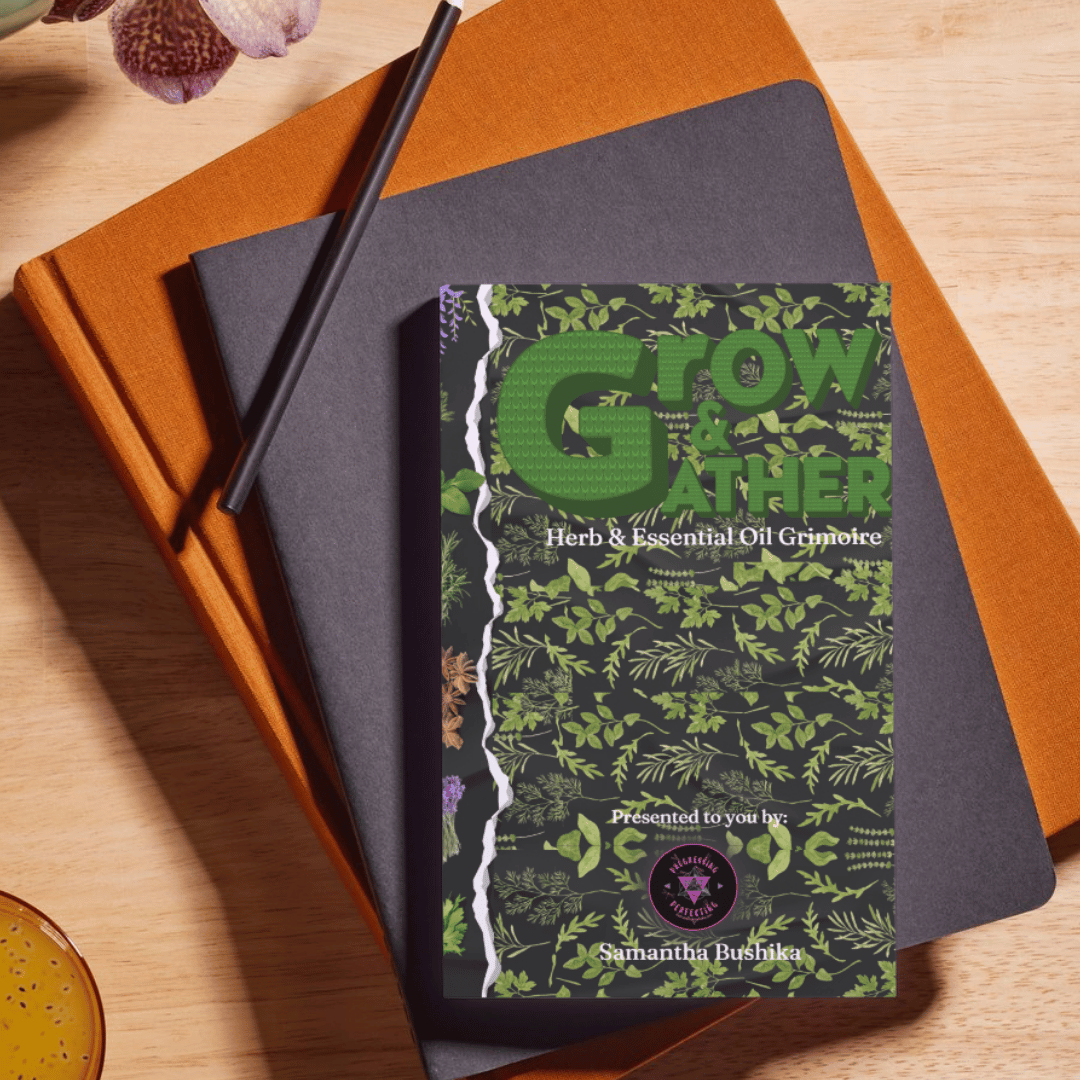

Written by Samantha Bushika
More From Sam
Overcoming Adversity: How My Lowest Moments Forged My Strongest Self
The Collapse — When Everything Fell Apart There’s something about difficult times that strips you to your bones. Overcoming adversity is never easy, but what is in these times. I remember standing in a difficult situation that no one prepares you for — the kind where...

The Ember Theory Series — Part 2: What to Do When Life Falls Apart
Before we go any further, if you haven’t read the first part of this series, I highly recommend starting there. In Part 1, I share the...
The Ember Theory Series — Part 10: How to Rebuild Self-Worth (From the Inside Out)
Before we go any further, if you haven’t read the first seven parts of this...

0 Comments