Morning Energizing Flow
with Khetanya Henderson

Quick Morning Smile
Outer Hips Flow

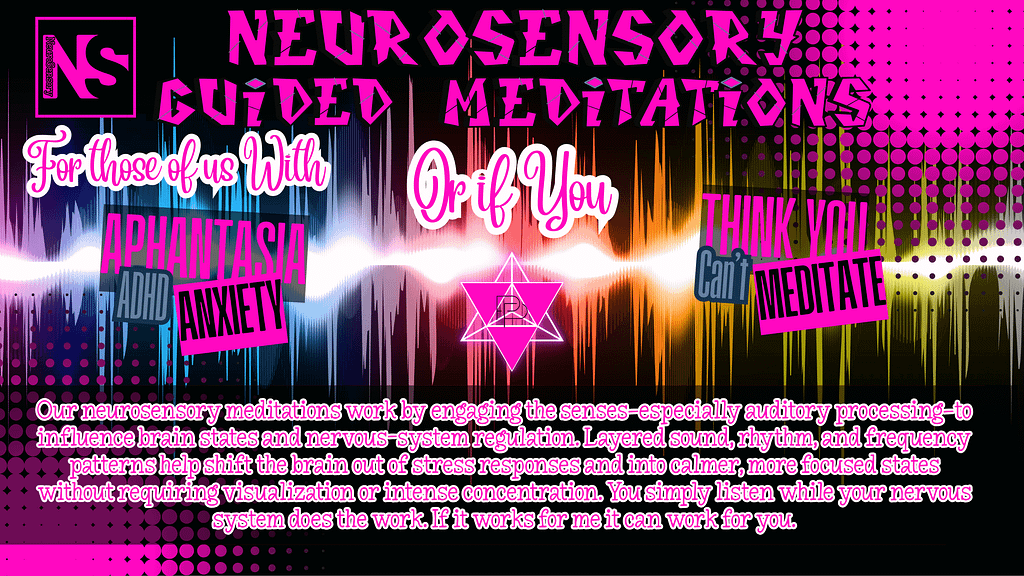
Introducing Our NeuroSensory Guided Meditations
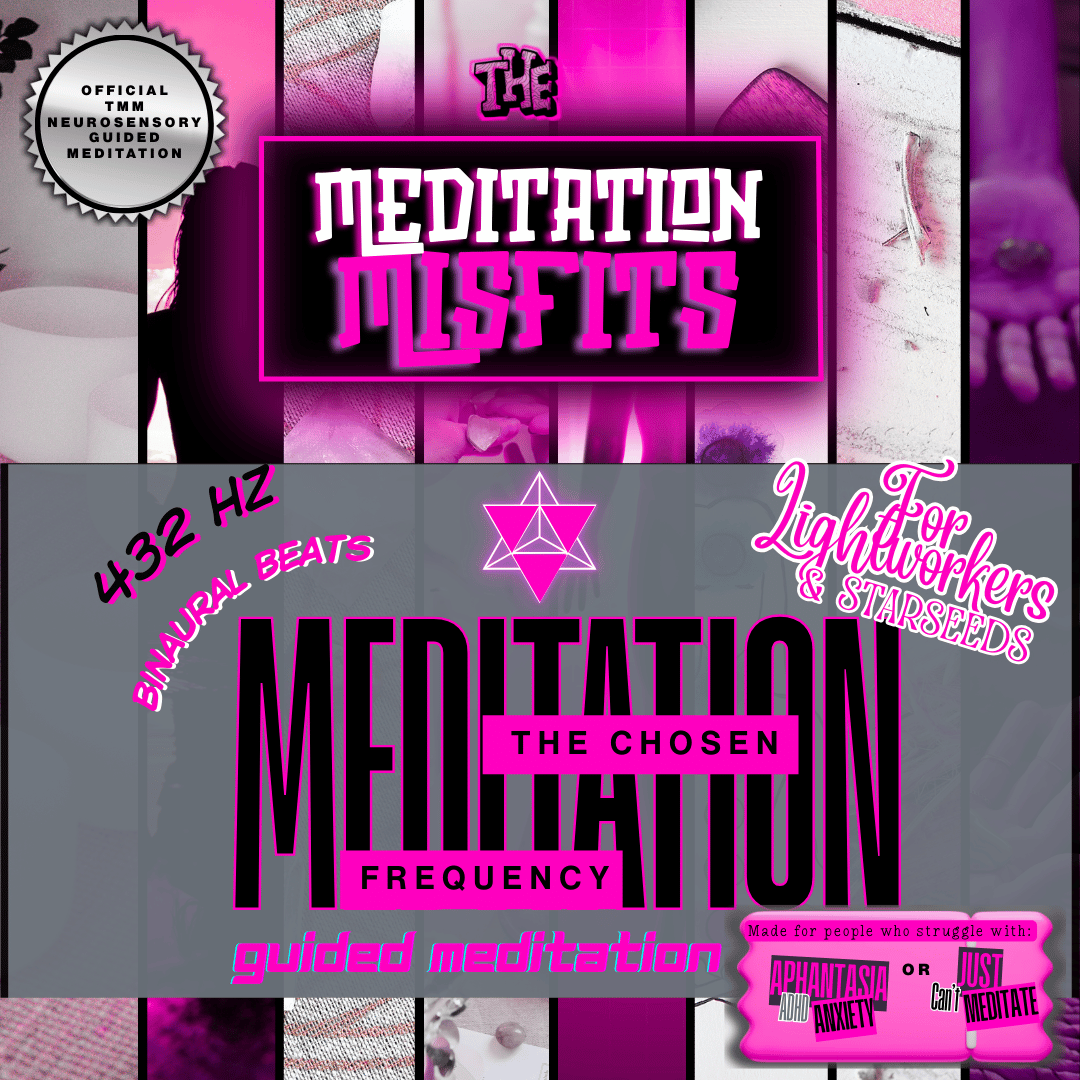
Tuesday Jun 2 @ 1pm – 45min
Tuesday Jun 2 @ 4pm – 45min



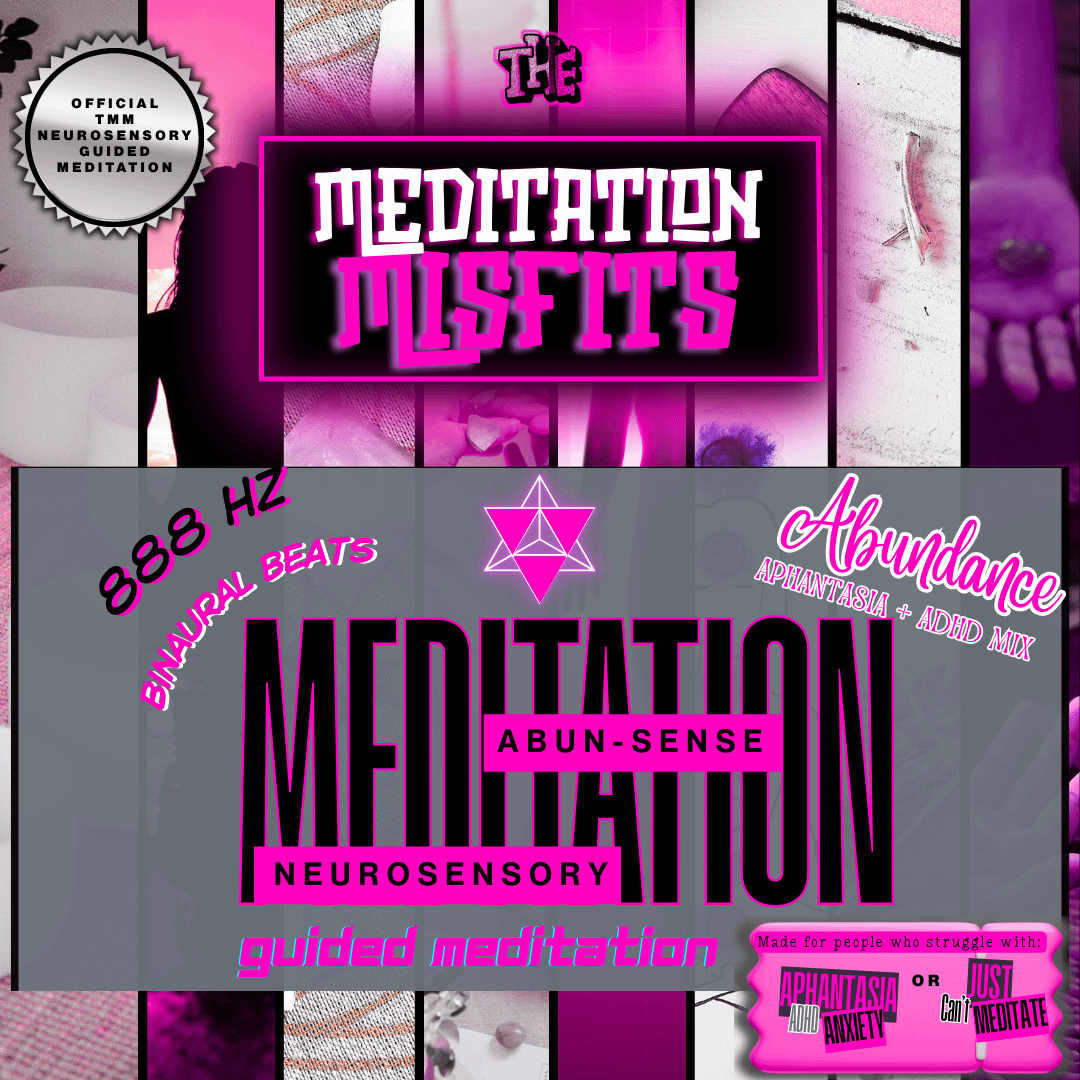
NeuroSensory Guided Meditations


NeuroSensory Guided FAQ’s
(Frequently Asked Questions)
What are NeuroSensory meditations?
Neurosensory meditations are audio-based practices designed to work directly with the nervous system through the senses. Instead of relying on visualization, breath control, or mental focus, they use layered auditory input (rhythm, frequency, spatial movement, and timing) to influence brain states and emotional regulation.
In simple terms: they meet your brain where it already knows how to respond—through sensory input.
How are NeuroSensory meditations different from traditional meditation?
Neurosensory meditations intentionally engage multiple sensory pathways, not just hearing. While sound is the primary input, it is used to stimulate the brain’s broader sensory and regulatory systems—including bodily awareness, spatial perception, emotional signaling, and internal sensation.
The brain does not process senses in isolation. Sensory input overlaps and communicates across networks. By using sound patterns that imply rhythm, movement, pressure, and timing, neurosensory meditations can activate how the brain feels space, safety, and internal balance—even without external touch or visual imagery.
This multi-sensory stimulation gives the brain something structured to respond to, allowing it to shift out of stress-based loops and into regulation. In simple terms, the senses guide the brain into doing something new—without forcing thought, imagery, or effort.
Do I need to visualize or imagine anything?
No. Visualization is not required—and these meditations were intentionally created for people with aphantasia, ADHD, and anyone who struggles with traditional meditation methods.
Neurosensory meditations work through sensory input rather than mental imagery. The structured sound patterns guide the nervous system directly, so the brain does not need to picture scenes, hold focus, or concentrate in a specific way for the meditation to be effective.
If imagery happens naturally, that’s fine—but if you see nothing, your mind wanders, or attention shifts, the meditation is still working. These sessions are designed to support regulation without relying on visualization or sustained mental effort.
What if I’m not sure this will work for me?
That’s completely okay. NeuroSensory meditations don’t require belief, effort, or a specific mindset to be effective. They work by providing structured sensory input that the nervous system can respond to naturally, regardless of expectations.
You don’t need to “try harder,” feel anything dramatic, or notice immediate results. Even subtle shifts—feeling a little calmer, less reactive, or more settled—are signs your system is responding. This is a gentle, supportive process that unfolds over time, at your pace.
If you’re willing to listen and let your nervous system do what it already knows how to do, that’s enough to begin.














































You must be logged in to post a comment.