

For a quick run down scroll down for FAQs (Frequently Asked Questions)
👇 Ember First 👇
Many of the same feel-good chemicals are released whether you're helping someone else or being helped yourself.
Even brief positive social interactions can increase feelings of connection and emotional well-being.
Some of the most powerful acts of kindness cost absolutely nothing—a smile, a compliment, a listening ear, or simply making someone feel seen.
When you realize you still have something valuable to offer the world, it can help rebuild confidence and self-respect.
Positive social interactions can help signal safety to the brain, which is especially important for people recovering from trauma, addiction, or chronic stress.
Giving your attention, support, or encouragement to others can create a stronger sense of purpose and fulfillment.
👇 Now: Catch Up 👇
Before we go any further, if you haven’t read the first five parts of this series, I highly recommend starting there. In Part 1, I share the foundation of the Ember Theory and how it came to be, and in Part 2, we break down what to do when life falls apart. In Part 3, we address why you feel stuck and what that means. On to Part 4, where we talk about how detrimental having an open mind is and was for me on my journey. On Part 5, we are talking about small steps to actually change your life.
👉The Ember Theory Series — Part 1: A New Philosophy for Rebuilding Your Life
👉The Ember Theory Series — Part 2: What to Do When Life Falls Apart
👉The Ember Theory Series — Part 3: Why You Feel Stuck (But You’re Actually Healing)
👉 The Ember Theory Series — Part 4: Growth Mindset (The Power of an Open Mind)
👉 The Ember Theory Series — Part 5: Small Steps to Change Your Life (That Actually Work)
Discover Where You Are on the Ember Journey
Take Our Free Quiz To Find Out
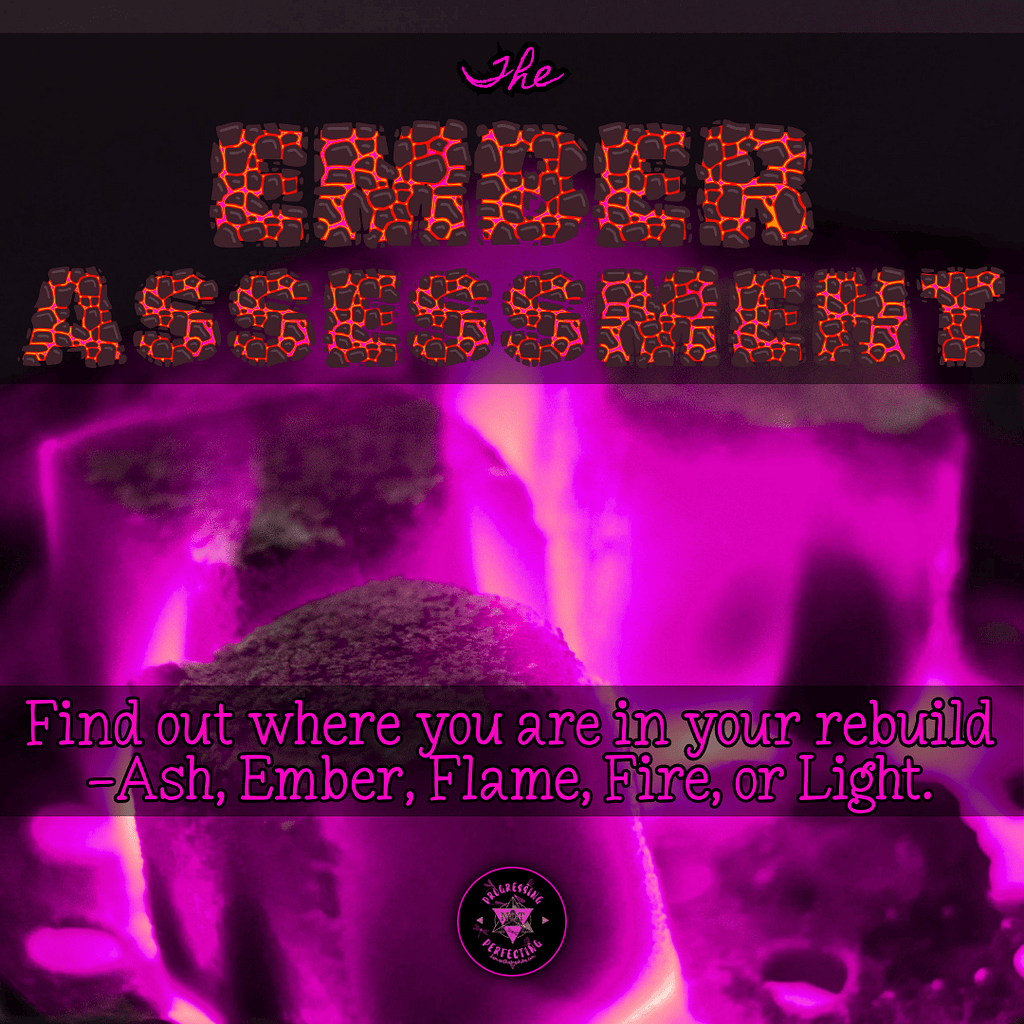
You are not broken. You are not behind. And you are definitely not finished.
Whether you’re rebuilding after hardship, searching for purpose, feeling stuck, or sensing that you’re meant for more, the Ember Assessment reveals exactly where you are on your journey and what your next step should be.
In just a few minutes, you’ll uncover your current Ember Stage, identify hidden strengths and challenges, and receive personalized guidance to help you move from surviving to thriving.
Welcome to Part 5 Of The Ember Theory Series
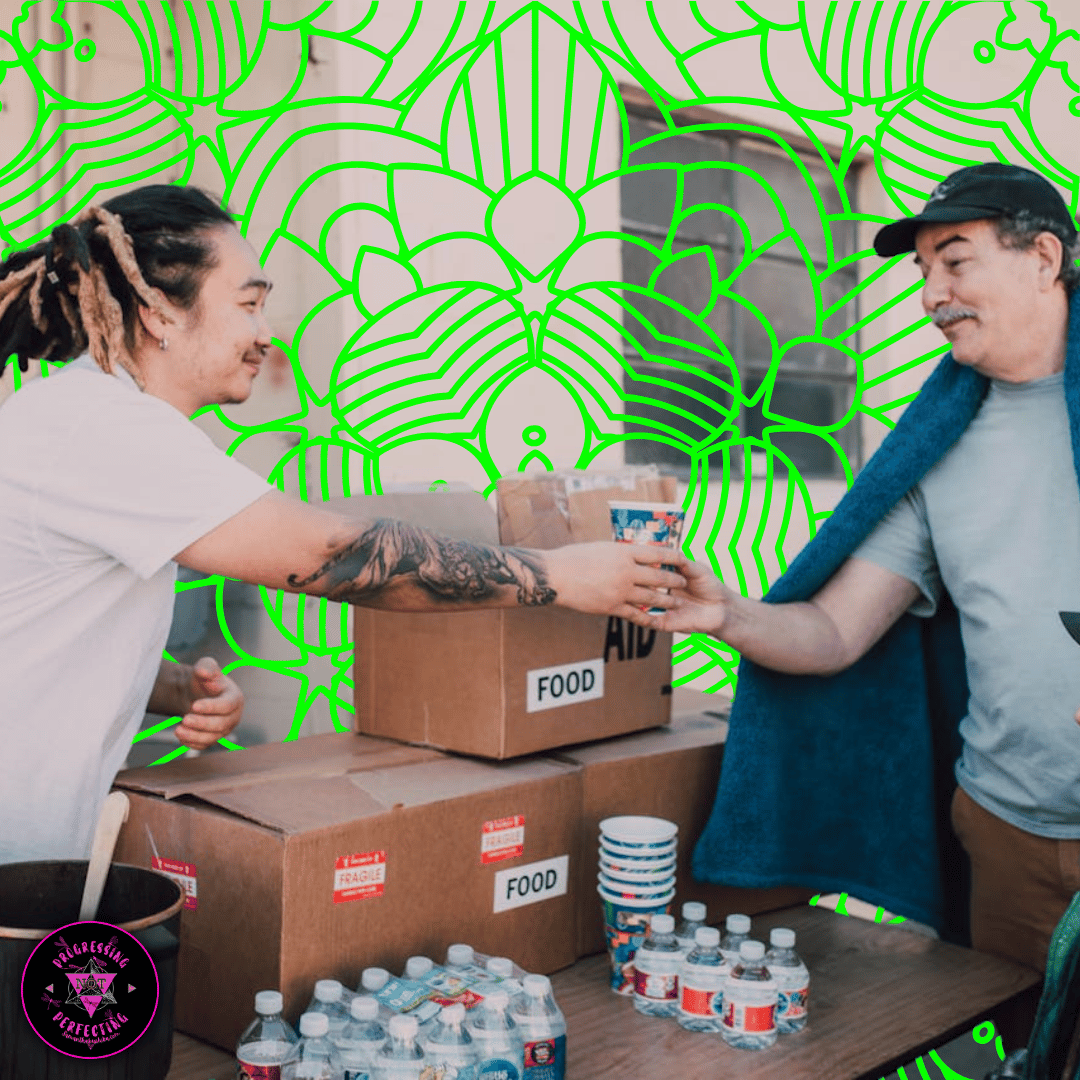
I did not become kind because I healed.
I began to heal because I became kind.
I know you are probably rolling your eyes right now, and old me would have been too, but I’ve got to tell you, friends, when you really commit to kindness, magical things start happening. I get how crazy it sounds. Trust me, I do. I spent my life as a junked-out skeptic that couldn’t control my criminal thinking and who had the most self-serving habit ever known to man.
There comes a point in one’s life when you experience real, true magic that is absolutely UNDENIABLE, and that’s what consistent kindness has done and does for me. Just please keep an open mind and try it consistently for 9 days. It has to be genuine, authentic, random acts of kindness that benefit you in no way, and that you don’t tell others about. Let’s get into it.
That distinction between the above-stated, “I did not become kind because I healed.
I began to heal because I became kind,” took me years to understand — and when I finally did, it changed the way I saw everything. My recovery. My purpose. The small daily choices that were quietly rebuilding me from the inside out.
When I was deep in addiction, kindness felt like a foreign concept. Not because I was a bad person. But because survival mode leaves little room for thinking about anyone else. You are too busy trying to get through the day without being sick.
But somewhere in the early, fragile days of rebuilding — before I had much to give, before I trusted myself, before I was anything close to healed — I started doing small things for other people.
Smiling at strangers. Holding doors. Listening without waiting for my turn to talk. Leaving a few dollars on the gas pump and on the diaper packs at the convenience store.
On one of these occasions, I had my five-year-old daughter put the dollar bills on the pump, and we went into the store. While we were waiting in line, a man came in with a HUGE smile on his face and told the cashier he needed more gas. He said he would now be able to make it to Burlington to his grandmother, who was in the hospital. Talk about a beautiful lesson! I couldn’t have planned it better myself.
A few weeks in, something shifted.
The benefits of kindness, I discovered, are not reserved for those who receive it. They belong just as much — maybe more — to the person giving it.
Quick Answer:
The benefits of kindness include improved mental health, reduced stress levels, stronger social connections, greater life satisfaction, and measurable physical health benefits, including lower blood pressure and better heart health. But for people rebuilding their lives, kindness offers something even more powerful — a path back to self-worth, purpose, and belonging.
Why Kindness Helped Me Heal
There is a particular kind of shame that comes with addiction and incarceration.
It is not just guilt about what you did. It is a deep, cellular-level belief that you are fundamentally less than. That you have forfeited your right to belong. That the human being you once were — or hoped to be — is gone. It is a horrible feeling, and I still struggle with it at times. “Nobody cares what I have to say.” “Nobody will follow me. What do I have to offer?” I believe it’s called imposter syndrome. Take imposter syndrome and multiply that feeling times 1000, and that is how it feels to carry a lifetime of addiction and incarceration.
I carried that shame like a weight I did not know how to put down.
And then, slowly, without really meaning to make it a practice, I started noticing opportunities to do good things for people. Small things. A kind act here. A word of encouragement there. Checking on a family member I had neglected. Showing up for someone when nobody was watching.
Nothing dramatic. Nothing that would make a good story.
But something was happening inside me.
Every act of kindness — every selfless act, however small — was casting a vote for a version of me I actually wanted to be. It was rebuilding something I did not yet have the language for.
Later, I would learn it was self-worth.
I was not waiting to feel worthy before I acted with kindness. I was acting with kindness and slowly discovering that I was worth something after all.

This is an amazing gift for one of your girls or for yourself. Love love love this!


This is honestly one of my go-to's for gifts. I have purchased it for both of my neices, my sister, my friends, my mom and every single one of them raved about it.
The Science Behind the Benefits of Kindness
This is not just lived experience. The scientific research is extensive — and it is worth understanding.
Here is what happens in your body when you perform a kind act:
When you do something kind for another person, your brain triggers a release of oxytocin — sometimes called the love hormone — which promotes feelings of warmth, trust, and social connection. At the same time, levels of serotonin rise, creating feelings of happiness and emotional well-being. Your body also releases endogenous opioids— the same feel-good chemicals triggered by exercise — which reduce psychological distress and contribute to an overall sense of calm.
And it does not stop there.
Research from the University of British Columbia found that people who performed random acts of kindness showed significant increases in positive emotions and social connections. A systematic review published in the journal Psychological Bulletin found that prosocial behavior — helping others — consistently predicted better mental health outcomes across age groups, including older adults.
Studies have also shown that kindness buffers stress. When stress hormones like cortisol spike, kind behaviors create a counteracting release of feel-good hormones that regulate the body’s threat response. Over time, regular kindness practices have been linked to lower blood pressure, better cardiovascular health, reduced risk of heart disease, and even a lower risk of mortality.
The release of nitric oxide during kind interactions relaxes blood vessels and supports heart health. The reduction in stress hormones reduces the kind of chronic inflammation linked to cardiovascular disease.
Kindness is not soft. It is physiologically powerful.
Small Acts of Kindness That Changed My Life

I want to be specific here because the big language around kindness — ripple effect, the power of kindness, the art of kindness — can make it sound grand and intentional.
Mine was not.
It was embarrassingly small.
Smiling At Strangers.
That was how it started. Walking through early
recovery, carrying the weight of everything I had done and lost, I started making eye contact with people and smiling. Not because I felt good. Because I needed to remember that I was still a human being capable of connection.
And they smiled back.
That sounds like nothing. It was everything.
Listening Without Judgment.
In early recovery, I was surrounded by people carrying pain similar to mine. I started really listening to them — not to fix, not to compare, not to wait for my turn. Just to hear them.
That kind of presence is a kind act. And every time I offered it, something in me softened.
Showing up for someone when I had nothing to give.
There were moments in my early rebuilding where I helped someone else with something I had not even solved for myself yet. I made phone calls for people. I drove someone to an appointment. I sat with someone in a hard moment.
I did not have much. But I had that.
And those simple acts of kindness did something that no amount of self-focused healing work had managed to do — they made me feel like I was part of something. Like I had a sense of purpose. Like I belonged.
Please Help Me Out And Support My Work By Following my New YouTube & TikTok Channels.


Why Kindness Creates a Ripple Effect

Research from the Random Acts of Kindness Foundation and studies in positive psychology consistently show that kindness creates a domino effect.
When one person witnesses a kind act — even if they are not the recipient — they are more likely to perform a kind act themselves. Prosocial behavior is contagious. Kindness spreads through social networks in ways that researchers describe as a ripple effect across entire communities.
But The Ripple Effect Is Also Internal.
Each kind act creates a positive feedback loop in
your own nervous system. You feel good.
That feeling motivates another kind act. That act deepens social connections. Those connections reduce social isolation. That reduction in isolation improves mental health. That improvement in mental health makes you more capable of kindness.
Around And Around It Goes.
This is the Ember Theory at work — small actions, compounding quietly, producing profound change that nobody could have predicted from the outside.
Kindness and Your Sense of Belonging

Social isolation is one of the most damaging conditions a human being can experience.
Research is clear: social isolation increases symptoms of depression, raises stress levels, accelerates physical decline in older adults, and has been linked to outcomes as serious as cardiovascular disease and early mortality.
Kindness is one of the most direct antidotes to isolation — for both the giver and the receiver.
When you perform a kind act, you create a positive interpersonal connection. You activate the part of your nervous system that registers belonging. You send your brain the signal: I am connected. I am part of this. I matter here.
The Dalai Lama has written extensively on this — that kindness is not a luxury or a personality trait. It is a fundamental human need, expressed outward and received inward simultaneously.
Kind people are not just nicer to be around. They are healthier, more resilient, and more connected to life.
For someone rebuilding from addiction, incarceration, or long-term survival mode, that connection is not optional. It is essential.
How to Practice Kindness When You Are Struggling
You do not have to have it together to be kind. Some of my most powerful acts of kindness happened when I had the least.
Here are simple ways to start:
- Make eye contact and smile at one stranger today.
- Send one message to check on someone you have been thinking about
- Tell Someone About a Positive Memory You Have of them randomly.

- Tell a Parent They’re Doing a Good Job.
- Treat Every Stranger Like They Might Be Fighting a Battle.
- Let someone go ahead of you — in traffic, in line, in conversation.
- Say something genuinely kind to a family member without an agenda.
- Share your areas of specialty. If you’re a mechanic, fix a small problem with someone’s car. NO strings.
- Listen fully to someone without looking at your phone.
- Practice gratitude out loud — tell someone what they mean to you.
- Do one helpful action today that no one will ever know about
- Give compliments
- Leave positivity notes on things like mirrors, old lotto tickets, a dirty windshield, comments sections, napkins, dollar bills, or whatever. People spend so much time spreading negativity when truly KINDNESS KICKS ASS!
None of these requires money. None requires a good day. None requires being healed first.
They only require the willingness to try.
More Reading


A Note on Mental Health Support

If you are navigating symptoms of depression, mental illness, social anxiety, or psychological distress, kindness practices are a meaningful complement to healing, but they are not a replacement for professional support.
If you are struggling, please reach out to a therapist, counselor, or trusted mental health professional. Cognitive-behavioral therapy, community support, and proper mental health care play vital roles in recovery and rebuilding.
You deserve support that meets the full depth of what you are carrying.
Kindness is part of the path. It does not have to be the whole path.
The Practical Benefits of Kindness — A Summary
Mental Health Benefits:
Reduced symptoms of depression, lower psychological distress, improved emotional well-being, increased feelings of happiness, greater sense of purpose and belonging.
Physical Health Benefits:
Lower blood pressure, improved heart health, reduced stress hormones, lower risk of cardiovascular disease, better immune system function, lower risk of mortality.

Social Benefits:
Stronger social connections, reduced social isolation, improved social situations and interactions, a deeper sense of connection and belonging.
Emotional Benefits:
Release of oxytocin and serotonin, positive feedback loop of feel-good chemicals, increased life satisfaction, greater feelings of satisfaction, and inner peace.
Practical Tips That Actually Help

FAQ's (Frequently Asked Questions)
1. What are the main benefits of kindness for mental health?

Kindness triggers the release of serotonin and oxytocin, reduces stress hormones, decreases symptoms of depression, and creates a positive feedback loop of emotional well-being. Scientific research consistently shows that performing kind acts improves mental health outcomes across all age groups.
2. Does helping others actually help you heal?

Yes — and significantly. Prosocial behavior activates feel-good chemicals in the brain, reduces social isolation, builds a sense of purpose, and creates social connections that support long-term emotional healing. For people rebuilding from trauma or addiction, helping others can be one of the most powerful tools available.
3. Can small acts of kindness really make a difference?

Absolutely. Research from the University of British Columbia and the Random Acts of Kindness Foundation shows that even small acts of kindness produce significant increases in positive emotions, social connection, and life satisfaction — in both the giver and the receiver.
4. How does kindness affect physical health?

Kind behaviors trigger the release of nitric oxide, which relaxes blood vessels and supports heart health. They also lower blood pressure, reduce stress hormones, support immune system function, and have been linked to a lower risk of cardiovascular disease and mortality.
5. How can I be kind when I have nothing left to give?

Start smaller than you think you need to. A smile. A held door. A genuine compliment. Kindness does not require resources or a good day. It only requires a moment of choosing to extend something human to another person.
6. Why does kindness create a ripple effect?

Because kindness is contagious. When people witness or receive kind acts, they are statistically more likely to perform them. This domino effect spreads through social networks and communities, amplifying the impact of a single kind act far beyond its original moment.
7. Is kindness connected to a sense of purpose?

Deeply. Performing helpful actions — especially selfless acts that serve others without expectation of return — consistently correlates with higher life satisfaction, stronger sense of purpose, and greater feelings of meaning across multiple studies in positive psychology.
Kindness Was Never the Reward. It Was the Road.
I used to think I needed to fully heal before I had anything to offer anyone.
I thought kindness was something you gave from a place of overflow — when you finally had enough, when you were finally okay, when you had worked through enough of your own wreckage to show up for someone else.
I was wrong. So so wrong.
Kindness was not waiting at the end of my healing.
It was woven through the middle of it, in every smile I forced before I felt it, in every moment I showed up for someone when I barely had the strength to show up for myself, in every small act that reminded me I was still a human being capable of love.
The benefits of kindness are real. The science confirms it. My life confirms it.
But beyond the research and beyond the data, kindness gave me something I could not have found any other way.
It gave me back myself.
If This Post...

If this post resonated with you or you would like to add or share something, please do so in the comments below. You know I love to hear from you. You could also support my work by liking, sharing, commenting, subscribing, following, and registering to join our free-of-charge, supportive, all-inclusive, judgment-free, meet-you-where-your-at online community where teachers learn. Learners teach all while working together to #provethemallwrong and #showthemwhatwecando.
In our support forums, you can give or receive support all on the same day. This community is for all of us who are more progressors, less perfectors. Addiction is not a prerequisite. All are welcome. This is a new, growing community, so please be patient. If there are any issues, please contact me at [email protected].
Post Off Quote
"You do not have to be fully healed to be kind. And sometimes, kindness is exactly what heals you."
– Me
Post Off Affirmation
I have something to offer, even now. My kindness is not a reward for healing. It is part of how I heal.
Shop Our Top Ember Recovery & Awakening Arsenal Recommended Products

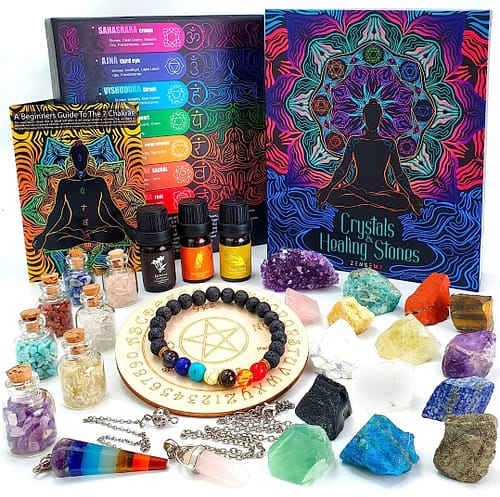


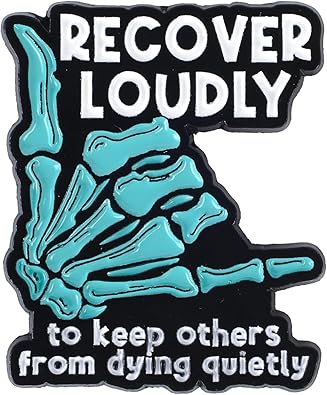


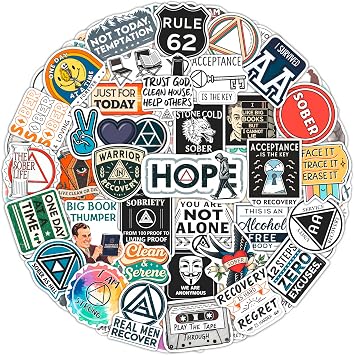


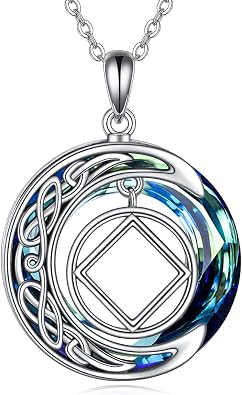


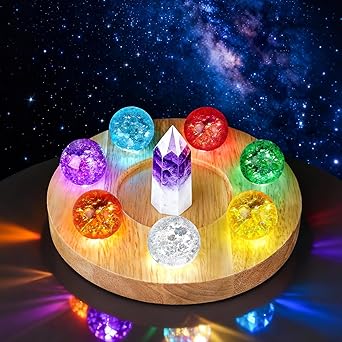


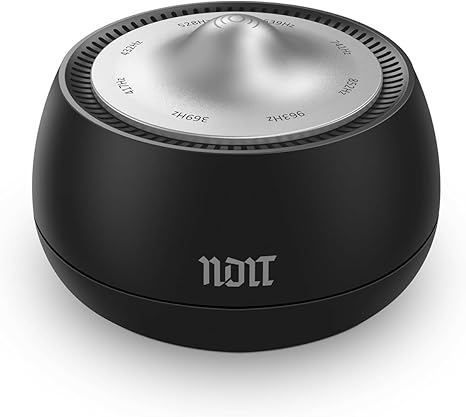

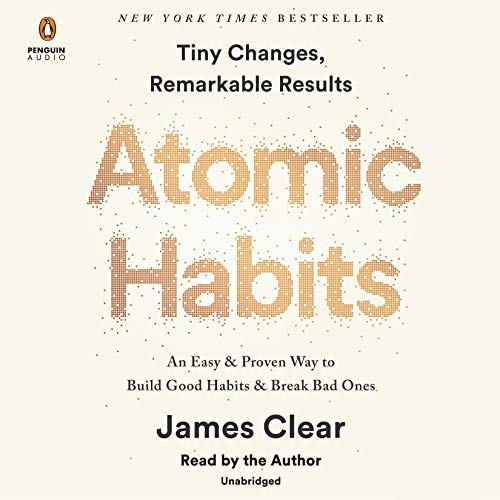
This is an amazing gift for one of your girls or for yourself. Love love love this!
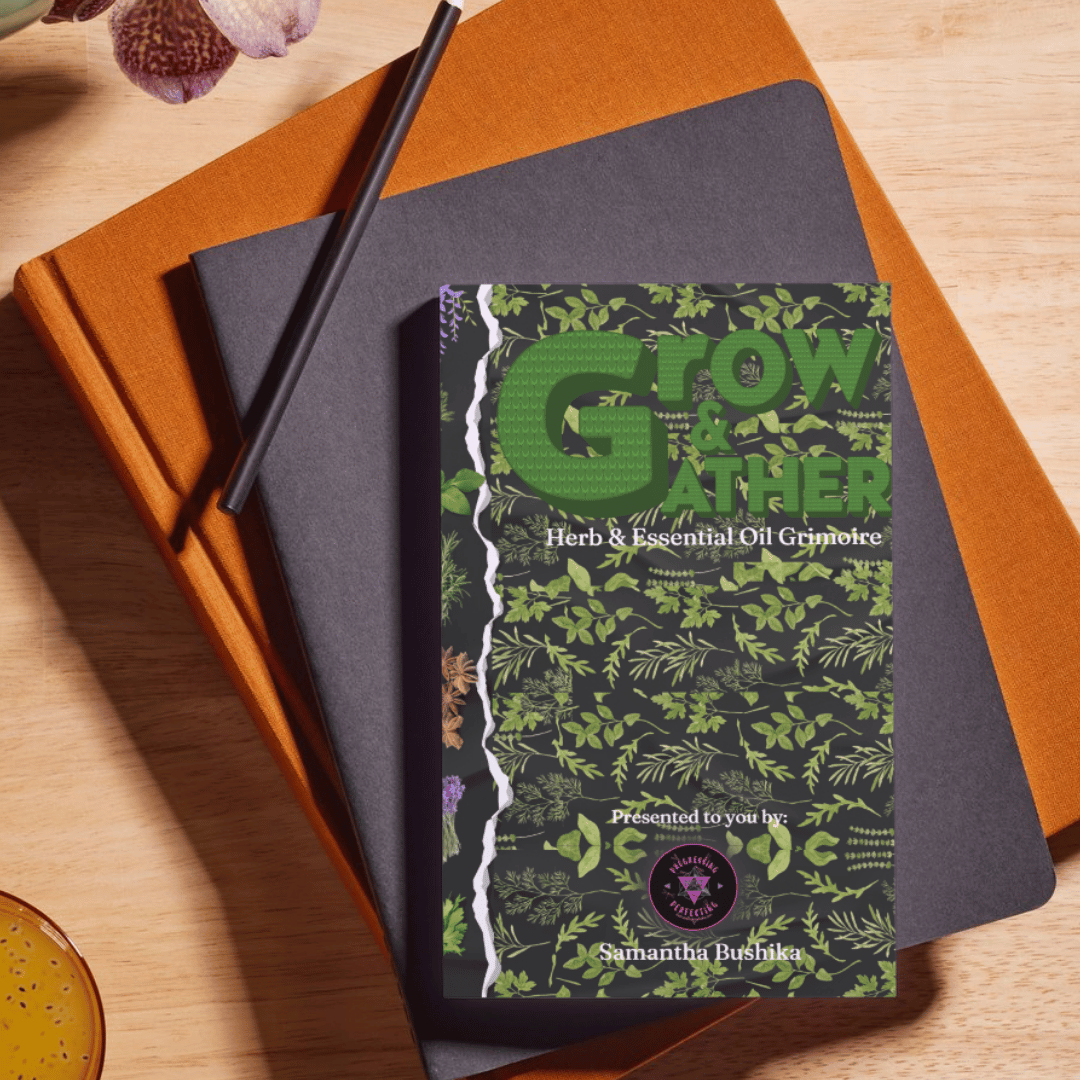
This is honestly one of my go-to's for gifts. I have purchased it for both of my neices, my sister, my friends, my mom and every single one of them raved about it.









About The Author Samantha Bushika
More From Sam

0 Comments
F.I.O.A. And Find Out
FOIA & Find Out explores the declassified files they never expected ordinary people to read—CIA consciousness experiments, psychological operations, hidden human potential, frequency research, and truths stranger than fiction. But this series isn’t about fear. It’s about taking what we uncover and using it to think deeper, heal harder, awaken fully, and become far more difficult to manipulate.




0 Comments