

For a quick run down scroll down for FAQs (Frequently Asked Questions)
👇 Ember First 👇
Your nervous system trusts slow, sustainable change more than chaotic extreme transformation attempts.
One small decision repeated daily can literally change neural pathways in the brain over time.
Research shows momentum creates motivation more often than motivation creates momentum. Action usually comes first.
The Ember Theory teaches that invisible progress is still progress, even when nobody claps for it yet.
Most people dramatically overestimate what they can do in a week and underestimate what they can do in a year of consistent small steps.
In The Ember Theory, “micro-wins” are considered oxygen for people rebuilding their lives after burnout, trauma, addiction, or setbacks.
👇 Now: Catch Up 👇
Before we go any further, if you haven’t read the first four parts of this series, I highly recommend starting there. In Part 1, I share the foundation of the Ember Theory and how it came to be, and in Part 2, we break down what to do when life falls apart. In Part 3, we address why you feel stuck and what that means. On to Part 4, where we talk about how detrimental having an open mind is and was for me on my journey.
👉The Ember Theory Series — Part 1: A New Philosophy for Rebuilding Your Life
👉The Ember Theory Series — Part 2: What to Do When Life Falls Apart
👉The Ember Theory Series — Part 3: Why You Feel Stuck (But You’re Actually Healing)
👉 The Ember Theory Series — Part 4: Growth Mindset (The Power of an Open Mind)
Discover Where You Are on the Ember Journey
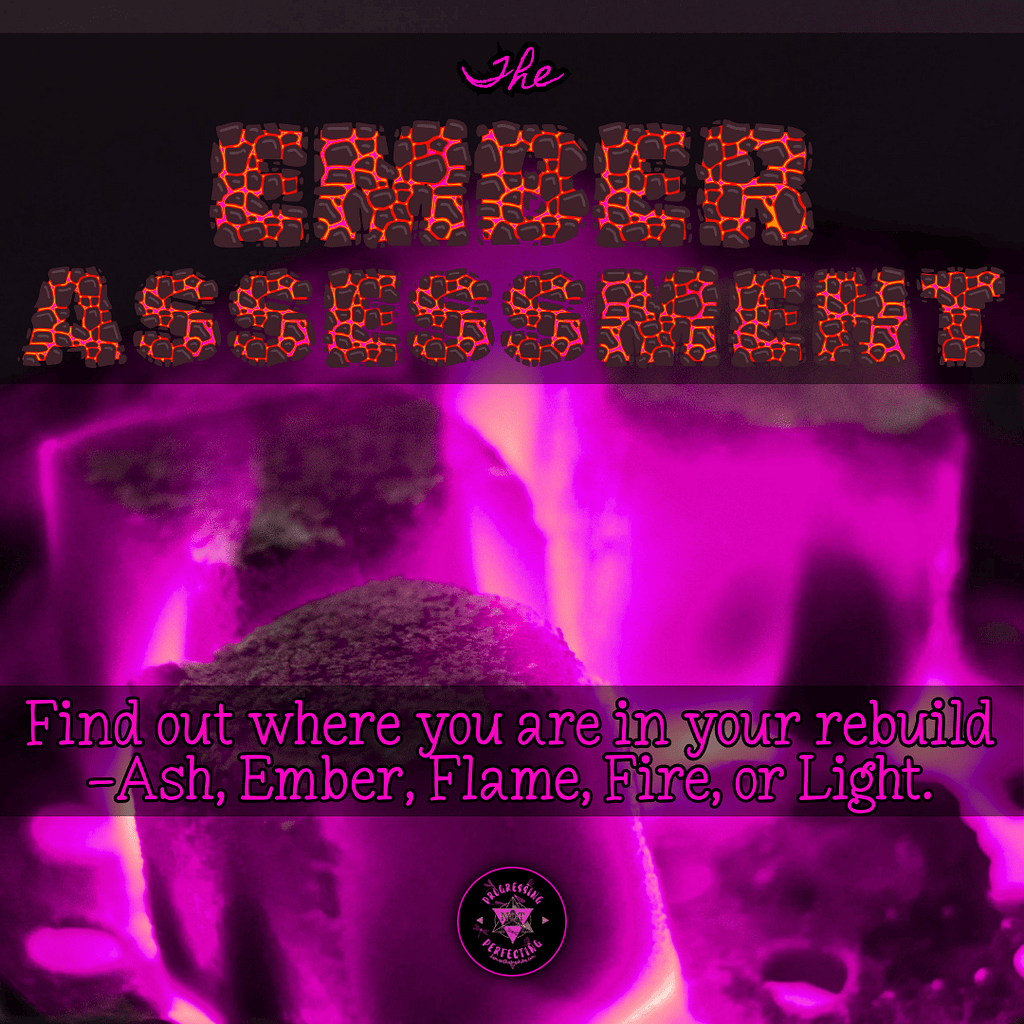
You are not broken. You are not behind. And you are definitely not finished.
Whether you’re rebuilding after hardship, searching for purpose, feeling stuck, or sensing that you’re meant for more, the Ember Assessment reveals exactly where you are on your journey and what your next step should be.
In just a few minutes, you’ll uncover your current Ember Stage, identify hidden strengths and challenges, and receive personalized guidance to help you move from surviving to thriving.
Welcome to Part 5 Of The Ember Theory Series

There is a reason New Year’s resolutions fail by February. Mine typically do anyway.
It is not a lack of motivation. It is not laziness. It is not that I didn’t want it badly enough. Never that. I want it plenty.
It is those big leaps — without a foundation — that have nowhere to land.
Every time I was released from incarceration, I never had a game plan outside of pounding the pavement and hoping for the miracle of employment before my thirty days were up and rent was due. I did not have a to-do list of ambitious goals, a vision board, or a five-year plan.
I had a nervous system that had been in survival mode for so long, it did not know how to function in stillness. I had a small town that had witnessed my name and heroin bust on the front page before addiction was considered to be a disease. Because I lacked even the slightest plan, is it really all that surprising that I failed on repeat for nearly two decades?
Without a job, I was unable to focus on anything except finding one. For me, during that very long period, big steps felt impossible. Big change felt like a foreign language.
But small things? Small things I could do.
One deep breath before reacting. One day without the thing that was destroying me. One small question asked honestly: What is one thing I can do today that my future self will thank me for?
That is where it started. Not with big goals. With little things that pointed me in the right direction.
What the Research Says About Small Steps And Big Life Changes
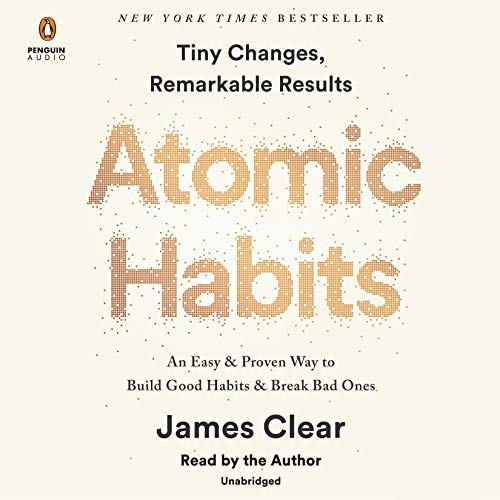
James Clear, author of Atomic Habits, built an entire framework around this idea.
His research showed that a 1% improvement each day compounds into results that are 37 times better by the end of a year. Small habits, practiced consistently, do not just add up. They multiply.
But here is what the research does not always capture — and what I know from lived experience:
For people rebuilding from real damage, small steps are not just a strategy; they are a necessity. They are a survival tool.
When your nervous system has been dysregulated for years — through addiction, trauma, chaos, or shame — your brain literally cannot process big change safely. It reads dramatic transformation as a threat, not an opportunity.
Small changes work because they are safe. They do not trigger the alarm system. They slip past the part of your brain that is convinced nothing can ever be different.
They are, in the language of the Ember Theory, the oxygen that feeds the ember without overwhelming it.

How Tiny Steps Rewire Your Identity
This is the part most habit content skips.
Small steps are not just about behavior. They are about identity.
Every time you take a positive step — however small — you are casting a vote for a new version of yourself. You are telling your nervous system: this is who I am now.
Not who I was. Not who I am, afraid I will always be.
Who I am becoming.
James Clear calls this identity-based habit change. I call it the long, quiet work of becoming someone you actually recognize in the mirror.
The first 6-7 months of my sobriety were almost entirely invisible from the outside.
No dramatic transformation anyone could see. No significant changes anyone would post about. Just me, showing up every day, doing small things that felt almost embarrassingly tiny given how much I needed to fix.
Early morning routines. A daily meditation that lasted three minutes because three minutes was all I had. You can find an amazing three-minute meditation here. A healthy diet starts with just drinking water before reaching for anything else. Positive self-talk was so awkward and forced that it made me cringe.
But here is what I know now: those little steps were not small. They were everything.
The Keystone Habit — The One Small Change That Moves Everything

Not all small changes are created equal.
Research on habit formation — including the concept of the keystone habit — shows that certain habits have an outsized effect on the rest of your life. They are the small areas where one shift creates a cascade of positive change across your entire life.
For me, the keystone habit was sleep.
When I started protecting my sleep — actually
committing to a consistent sleep routine — everything else got easier. My mental health stabilized. My negative thoughts quieted slightly. My physical health began to improve. I had extra time in the morning because I was not dragging myself out of bed three hours after I should have been up.
Ask yourself: what is the one small habit that, if I built it, would make everything else much easier?
That is your keystone. That is your first step. That is your great start.
Please Help Me Out And Support My Work By Following my New YouTube & TikTok Channels.


Small Steps and the Nervous System — What Nobody In Self-Help Addresses

Here is something important.
If you have lived through addiction, trauma, incarceration, or long-term survival mode, your nervous system is not the same as someone who has not.
Your threat response is more sensitive. Your capacity for change is real, but it has limits that vary day to day. What feels like laziness is often nervous system exhaustion. What feels like resistance is often your body doing exactly what it learned to do to keep you alive.
This is not a character flaw. This is biology.
Small steps work for nervous system healing because they do not demand more than the system can give. They build what researchers call felt safety — the internal experience of being okay, right now, in this present moment.
A short walk. Three deep breaths before a hard conversation. One kind act toward a stranger. Quality time with one good friend instead of forcing yourself to social events you are not ready for.
These are not little things dressed up as big things.
They are the actual medicine.
How to Actually Use Small Steps — A Practical Framework

Start With One Goal — Not Ten
Pick one area of your life. One goal. One new habit in one small area.
Not your health AND your finances AND your relationships AND your career. One thing. Give it everything for the next month.
One goal with full commitment will always beat ten goals with divided attention.
Make It Smaller Than You Think You Need To
Whatever you are planning to do, make it smaller.
Not a 30-minute daily meditation. Three minutes. Not a complete healthy diet overhaul. One better choice per day. Not a full new job search. One work project updated. One application sent.
The goal is not to do the most impressive version of the thing. The goal is to do it consistently enough that it becomes part of who you are.
Track It Simply
You do not need an elaborate system. A little tally sheet on your phone. A simple to-do list with one item. A note in your journal.
What gets measured gets momentum. Watching the number of times you showed up — even imperfectly — is one of the most powerful motivators available.
Protect the New Routine Fiercely
New routines are fragile. Especially in the beginning.
Protect your early morning before the demands of the day take over. Reduce social media use during the time you have set aside for your new habit. Limit contact with the people and environments that pull you back toward negative habits.
Your new routine is an ember. Protect it accordingly.
Stack Small Wins
Each small win is evidence. Evidence that you can do hard things. Evidence that you are not who you were. Evidence that your best life is not a fantasy reserved for people who had easier starting points.
Stack those wins. Every next step builds on the last. Every next day carries what yesterday built.
This is how profound changes happen — not in dramatic moments, but in the long, roundabout way.
The Identity Shift That Changes Everything
Last year, someone asked me when I knew I had actually changed.
I thought about it for a long time.
It was not the day I got sober. It was not the day I got out. It was not the day I became a mother, bought a house, or built anything visible.
It was the morning I realized I had been doing my daily routine for so long that it felt strange not to do it.

The new habit had become the default. The best version of myself — or a version closer to her — had become the expected one.
That is the power of small steps practiced over a long time.
Not the dramatic breakthrough. The quiet, consistent, unglamorous accumulation of tiny steps in the right direction.
That is what changes a life.
More Reading




The Long Way Is the Right Way

There is no shortcut to a life that actually holds together.
Not for people like us — the ones who built our first adult lives on sand, on substances, on survival, on anything that would numb the thing we did not know how to face.
We do not get to skip the small steps. And honestly? I am grateful for that now.
Because it was in the small steps that I learned who I was. Where I built the self-trust that no one could take away. Where I discovered that I was someone who showed up — imperfectly, inconsistently at first, but eventually, reliably.
That discovery did not come from a big leap. It came from a long time of little steps.
And it is available to you too. Not next month. Not after the big change. Not when everything is finally lined up perfectly.
Right now. With the next small thing.
FAQ's (Frequently Asked Questions)
1. How do small steps to change your life actually work?
Small steps build consistent evidence of a new identity. Each tiny action gradually rewires the brain, builds nervous system safety, and compounds over time into significant changes — without triggering the threat response that makes big change feel impossible.
2. How long does it take for small habits to create big change?
Research shows that habits take anywhere from 18 to 254 days to become automatic, with the average around 66 days. The first 6-7 months are often the most invisible — progress is real but internal. Stay consistent through that window, and the external changes follow.
3. What is a keystone habit, and why does it matter?
A keystone habit is a single small habit that triggers positive change across multiple areas of your life. Identifying yours — whether it is sleep, movement, morning routine, or daily meditation — and committing to it consistently is one of the highest-return investments you can make in your personal growth.
4. What if I keep failing at building new habits?


Failure is part of the process, not evidence that you cannot do it. The number of times you return after falling off matters more than the number of times you fall. Shrink the habit down further. Make it so small it feels almost embarrassing. Then do it every day.
5. How do I change my life when I feel completely overwhelmed?
Start with the smallest possible positive step you can take right now. One deep breath. One glass of water. One kind act. One item crossed off the to-do list. Overwhelm shrinks when action — any action — begins. You do not need a full game plan. You need a next step.
6. What is the difference between small steps and giving up on big goals?
Small steps are not the absence of big goals. They are the infrastructure that makes big goals possible. You are not lowering your standards. You are building the foundation that your big goals actually need to stand on.
7. Can you really change your entire life?
8. Can small steps really change your life after addiction or trauma?
Yes — and for people rebuilding from addiction or trauma, small steps are not just effective, they are necessary. A dysregulated nervous system cannot safely process dramatic change. Small, consistent, positive steps rebuild felt safety and identity simultaneously. This is not the slow route. This is the route that actually works.
If This Post...

If this post resonated with you or you would like to add or share something, please do so in the comments below. You know I love to hear from you. You could also support my work by liking, sharing, commenting, subscribing, following, and registering to join our free-of-charge, supportive, all-inclusive, judgment-free, meet-you-where-your-at online community where teachers learn. Learners teach all while working together to #provethemallwrong and #showthemwhatwecando.
In our support forums, you can give or receive support all on the same day. This community is for all of us who are more progressors, less perfectors. Addiction is not a prerequisite. All are welcome. This is a new, growing community, so please be patient. If there are any issues, please contact me at [email protected].
Post Off Quote
"You do not need to change your entire life today. You just need to take one step today that your future self will be glad you took."
Post Off Affirmation
I do not need to do everything. I only need to do the next small thing. And that is enough.
Shop Our Top Ember Recovery & Awakening Arsenal Recommended Products

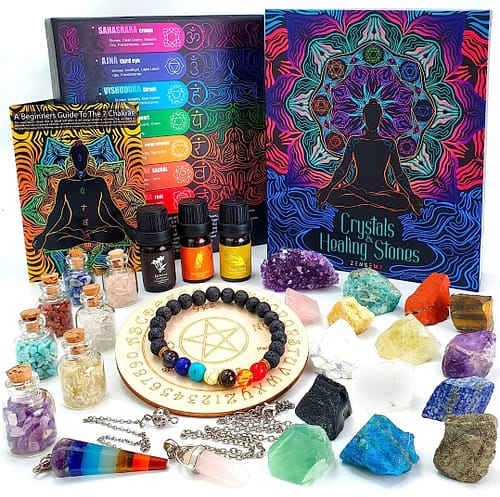






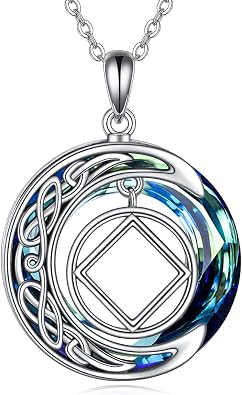







This is an amazing gift for one of your girls or for yourself. Love love love this!

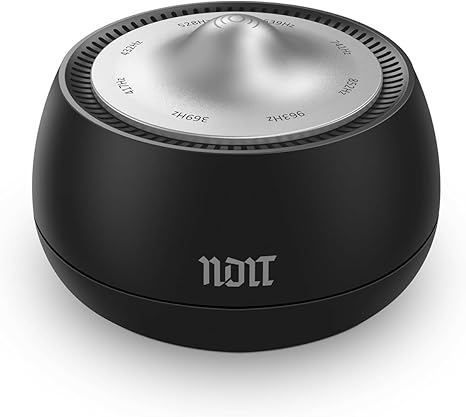
This is honestly one of my go-to's for gifts. I have purchased it for both of my neices, my sister, my friends, my mom and every single one of them raved about it.





This is an amazing gift for one of your girls or for yourself. Love love love this!
This is honestly one of my go-to's for gifts. I have purchased it for both of my neices, my sister, my friends, my mom and every single one of them raved about it.





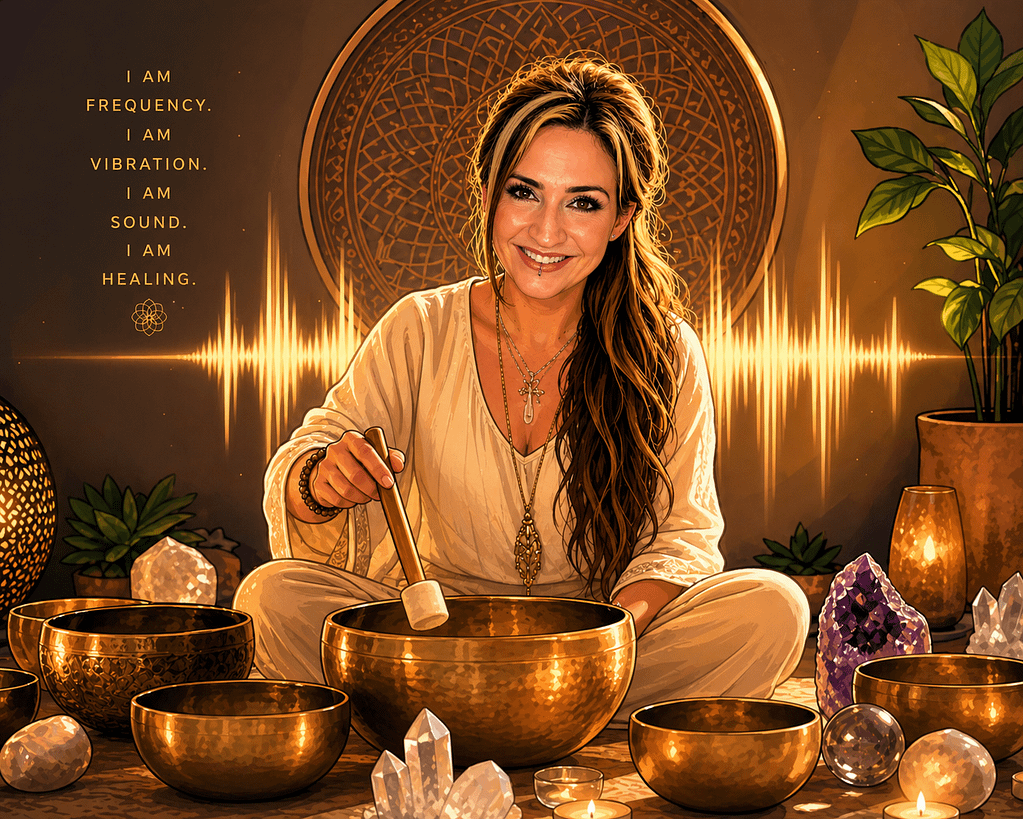
About The Author Samantha Bushika
More From Sam
Overcoming Adversity: How My Lowest Moments Forged My Strongest Self
The Collapse — When Everything Fell Apart There’s something about difficult times that strips you to your bones. Overcoming adversity is never easy, but what is in these times. I remember standing in a difficult situation that no one prepares you for — the kind where...

The Ember Theory Series — Part 2: What to Do When Life Falls Apart
Before we go any further, if you haven’t read the first part of this series, I highly recommend starting there. In Part 1, I share the...
The Ember Theory Series — Part 11: Turn Pain Into Purpose (The Ember Advantage)
Before we go any further, if you haven’t read the first seven parts of this...
0 Comments
F.I.O.A. And Find Out
FOIA & Find Out explores the declassified files they never expected ordinary people to read—CIA consciousness experiments, psychological operations, hidden human potential, frequency research, and truths stranger than fiction. But this series isn’t about fear. It’s about taking what we uncover and using it to think deeper, heal harder, awaken fully, and become far more difficult to manipulate.




0 Comments