
According to the World Health Organization, 284 million people, or 3.8 percent of the world’s population, suffer from anxiety disorders. Addiction frequently co-occurs with most anxiety disorders. In fact, over 8 million Americans suffer from both mental health issues, such as anxiety, and substance use disorder, according to a recent report from the American Addiction Centers. Moreover, according to the report, approximately 20 million people in the United States are affected by a substance abuse disorder and could benefit from mindfulness meditation.
The Issues We Face As People In Recovery
Addictive behaviors and anxiety problems can develop apart from one another, or they can trigger each other. Moreover, because they are related, one disorder may have an impact on the other. I have suffered from both and each individually, and it is just so hard to make those in our lives understand. I gave up trying long ago, but I assure you that is not the answer. After a lifetime of trial and error, I will also express, in the most honest of terms, what has and hasn’t worked for me in my many, many failed attempts at recovery and the eventual success that has brought me here today.
Before moving forward, I would like to address what a large majority of recovering readers are thinking right now. A thought that may have added about fifteen years to my struggle. People with ADHD CAN meditate. I mention this because I have a great deal of regret for not listening to my very first therapist at the age of nineteen. She tried every single session to get me into meditation, and I was NOT having it. Man, do I wish I would have listened. You CAN meditate. They even have ADHD meditations. I started with just being still for five minutes twice a day, and now I can meditate for hours. Seriously.
Dealing With Stress & Anxiety
Since meditation is designed to relieve stress and help to relieve anxiety symptoms, it can support our recovery process. When used with effective treatment programs, it can help to reduce withdrawal symptoms. Also reduces the cravings associated with substance abuse, which we definitely do not want to hear while actively withdrawing. If only we weren’t so set in our ways, right?
As a working mom sober for almost nine years and suffering from social anxiety, I can personally attest to the effectiveness of meditation for treating SUD. To help you discover some of the benefits of these practices, I’ll provide more information. Maybe discuss some of the benefits you can expect, even for those of us suffering from ADHD.
Meditation, ADHD, and the Recovery Process
Meditation isn’t about turning your brain off. It’s about cultivating mindful awareness in the present moment.
For people navigating substance use disorders, meditation strengthens emotional regulation, improves inhibitory control, and reduces the risk of relapse. It becomes an effective tool for managing negative feelings, drug cravings, and the stress levels that often trigger drug use.
Recent studies, including clinical trials and
systematic reviews, show that mindfulness-based interventions (MBIs) significantly improve outcomes in addiction treatment programs. These effects include reduced substance abuse, greater emotional resilience, and improved cognitive functions.
Meditation is not a replacement for effective treatments like cognitive-behavioral therapy or group therapy, but it works beautifully as part of a holistic approach within a comprehensive treatment plan.

My Personal Experience with Mindfulness in Addiction Recovery
As a working mom in long-term recovery, meditation amongst a few other powerful practices has transformed my everyday life. Honestly, words can’t even begin to do my transformation justice.
Untreated anxiety and ADHD used to drive my addictive behavior. Chronic substance use became my way of coping with painful emotions, negative affect, and emotional distress. When I was using I never took my prescribed medication because I knew that it would just be more to detox from during my frequent visits to jail. That aside, I genuinely believed heroin was the only way to regulate my nervous system or even just experience some level of comfort within my skin.
Meditation changed that belief.
Mindful meditation helped me develop greater self-awareness and a new relationship with negative emotions. Instead of reacting impulsively, I learned conscious breathing and mindfulness techniques that allowed me to respond with intention.
It’s not magic. It’s practice.
And like any contemplative practice rooted in ancient Buddhist traditions, the practice of mindfulness builds strength over time.
How Meditation Supports Brain Healing in Addiction Recovery
Neuroscience shows meditation alters brain activity in brain regions connected to addiction, emotional regulation, and the brain’s reward system.
Research indicates regular mindfulness practice strengthens inhibitory control and shifts attention toward natural rewards instead of substance misuse. These changes support recovery by reducing drug cravings and improving emotional resilience.
Clinical trials examining the efficacy of MBIs
report significant impact on neurocognitive processes, stress reduction, and emotional regulation. Effect sizes vary, but most studies demonstrate meaningful benefits compared to control conditions or control groups.
Meditation isn’t a quick fix. It’s brain training.
How Meditation Supports Brain Healing in Addiction Recovery
Now that you understand what meditation is, why it works, and a few of the many different types you can practice, it’s time to talk about how it can help us with our substance use issues and overall mental well-being. Meditation has been found to provide significant therapeutic benefits for those struggling with substance use disorder (SUD), including the following:
1. It Reduces Stress and Anxiety Levels in and out of Active Addiction
Reducing stress is one of meditation’s most prominent advantages. Because of lifestyle changes and the difficulties of sobriety, those of us in addiction recovery may feel more stressed and anxious than usual.
Fortunately, meditation can aid in the relaxation of the mind and the creation of space for present-moment focus. This is especially useful for controlling cravings and triggers.
2. It Improves Your Self-awareness
Self-awareness is stressed in conventional therapies such as cognitive behavioral therapy. As the name suggests, it is the state in which you are conscious of your ideas, behaviors, and overall self.
Pay attention to how you’re feeling in specific scenarios when controlling addiction cravings while in recovery. Self-awareness can be improved by meditating, which can also assist you in suppressing unwanted feelings and thoughts that might jeopardize your sobriety. Anything that helps me curb my addiction is more than welcome in my life.
3. It Broadens Your Perspective
Meditation can broaden your viewpoint, enabling you to consider your emotions and thoughts from a variety of perspectives. This can assist you in “getting out of your head” and gaining a broader, more compassionate perspective of your circumstances, which can be highly beneficial for those struggling with substance use disorders.
4. It Can Help You Sleep Better
After seven years, I am still an insomniac. I have tried every sleep medication out there. The ones that make you eat everything within your arm’s reach right before it knocks you out for 26 hours, just to wake up and take it again. The ones that have a forty-five-minute window that won’t allow you to sleep if you don’t fall asleep within those forty-five minutes. The all-natural ones and the syrupy ones.
Insomnia during recovery is definitely a very real and torturous thing. Nothing worked for me. I was to wound up. Now I can sleep! I sleep at night, and you can too. We all experience anxiety and stress at night, but simply taking some time throughout the day to relax can help you feel less stressed before you’re ready to turn off the lights. The more time that passes with meditation as a part of your daily practice, the more glorious sleep you will create for yourself. It’s beautiful.
5. It Enhances Your Mood
I got to a point where I was just really bitchy and on edge every day when I got home from work. I would do one of those passive-aggressive mumblings under my breath about nobody helping me around the house and don’t anyone ask me for nothing, type of deals. So not cool, and so not me. Meditation has been demonstrated to improve mood in addition to assisting with stress reduction. This may encourage you to think positively over the course of your day and provide the self-motivation you need to reach your addiction recovery goals. Not to mention it gives your family, friends, and/or loved ones a break from your moody and bitchy self. Can’t beat that.
6. It Reduces Your Blood Pressure
The relaxation response that mindfulness can elicit is the opposite of the fight-or-flight reaction, which is typically brought on by stress. Those who practice relaxation response training often have a higher chance of controlling their blood pressure to the point that they may cut down on or stop taking their prescription medication.
The relaxation response that mindfulness can elicit is the opposite of the fight-or-flight reaction, which is typically brought on by stress. Those who practice relaxation response training often have a higher chance of controlling their blood pressure to the point that they may also cut down on or stop taking their prescription medication with their doctor’s support and assistance in doing so.
Side Note that’s Not on the Side
This is another huge one for me. When I was pregnant with my son, my blood pressure was out of control. They were concerned about the possibility of pre-eclampsia. It didn’t help that my dad had had three heart attacks by the time he was thirty-five, I suspect that his years removing asbestos may have played a role in this, but it’s in the family.
A year after I delivered my son, which was last year, I was still on blood pressure medication. Taking it right up until I began to take meditation seriously and definitively decided to step up my meditation game.
Turns out it was an excellent choice. I was able to completely stop taking my blood pressure medication with the assistance of a health care professional. (Only with your doctor’s approval should you discontinue the use of any medications.) This showed me that in addition to substance use disorder benefits, those in recovery can also enjoy other health benefits, and many of them.
Game Changers
Once I realized the significant changes in my blood pressure, I realized that I had really become a lot calmer. This was a vital change for me on many levels because of the cloak of calm, I somehow found clarity. I honestly can’t remember a time in my using life that I had ever experienced true clarity, and clarity wasn’t something I had even bothered with up until this point. I had no idea what a game-changer this would be for me. If you are interested in another of my “game changers” in recovery, check out my article, My Supernatural Experience. I continue to do what I am doing for continued clarity because it has become essential for me, but please keep in mind that along with the possibility of clarity, practicing meditation can lower your risk of heart disease!
7. It Improves Your Mental Health and Anxiety
Individuals suffering from depression are frequently advised to try meditation since it can aid with mental wellness. When a person encounters the symptoms of a mental illness, meditation can help the brain learn how to maintain focus.
According to research, meditating can also sever the link between the amygdala and prefrontal cortex, which together play a role in the development of depression. For me, depression goes hand and hand with my active addiction, which is now non-active. Now that I am an experienced meditator, I wake up every single day happy, and I force this on my children. I wake them up every single morning by singing, “Wakey, wakey! Rise and shine! Get up, get up! It’s happyyyyyyyyy time!” They love it now, but just wait until they hit their tweenage years!
Everything You Need Is On Youtube
Substance abuse is a major problem in the United States. According to the U.S. Centers for Disease Control and Prevention, over 450,000 people died as a result of opioid misuse between 1999 and 2018.
Meditation is an effective way to ease substance use withdrawal symptoms and relieve symptoms associated with anxiety and mental health disorders. You can contact a facilitator or simply practice meditation at home or in a quiet space of your choosing. YouTube has a vast plethora of meditations, binaural beats, trance music, etc. The sense of community is great as well. I always check out the comments, and they are always filled with light & love. It’s refreshing!
53
We have made it this far, and being one of those among the number above is just not an option at this point. How many of your loved ones are in that simple statistic? Many more than a handful of people I once cherished are within that horribly saddening number. I stopped counting at 53, and that is no exaggeration, and I can sometimes exaggerate numbers, but not on this one. I don’t want that for you or your loved ones. The thought alone makes me want to work even harder and do even more. Unfortunately, as we all know, you can lead a horse to water…
Don’t Make My Mistake
I know how you are feeling if you are reading this and have done this song and dance for about twenty-five years. I simply wouldn’t hear of it. On my journey to recovery, I made many more missteps than any other person I have known. I know my shit, and if you know me, then you know that I just want to help people like me or like I was, but I remember that there was not a person in the world that could have gotten me to meditate.
This was not smart, and just as I was never comfortable in my own skin, I was also a person that had been repeatedly traumatized by a system and a community that had failed me. I had been administratively segregated by myself in a cell with nothing but a fireproof mattress and a roll of toilet paper for months and months at a time while incarcerated. This is an absolute near-death nightmare for someone like me. Being stuck with myself by myself with the self-loathing I held in my heart was THE worst thing imaginable for me.
Looking Back
I look back now and think, “Damn, had I shut my face and listened for once in my life, I could have used all that time for meditation and deep self-reflection.” I know how this sounds. Trust me. The fact that I am capable of even having those thoughts shows a tremendous amount of growth. Just saying.
Had I not decided to finally give meditation a try, I can tell you I wouldn’t be here today. I have taken very calculated and specific steps throughout my recovery this time. There have just been so many “lessons” up to this point. I could never begin to articulate where those lessons, which I once referred to as “failures,” had put my mindset. The frustration, shame, disappointment, embarrassment, powerlessness, etc. that I felt at the point in my life that led me to meditation is indescribable, but I know that you know it- all too well.
How Meditation Supports Brain Healing in Addiction Recovery
Neuroscience shows meditation alters brain activity in brain regions connected to addiction, emotional regulation, and the brain’s reward system.
Research indicates regular mindfulness practice strengthens inhibitory control and shifts attention toward natural rewards instead of substance misuse. These changes support recovery by reducing drug cravings and improving emotional resilience.
Clinical trials examining the efficacy of Mindfulness Based Interventions (MBIs) report significant impact on neurocognitive processes, stress reduction, and emotional regulation. Effect sizes vary, but most studies demonstrate meaningful benefits compared to control conditions or control groups.
Meditation isn’t a quick fix. It’s brain training, and for those of us struggling and recovering from addiction it is just what the doctor ordered, so to speak.
Types of Meditation Practices for Recovery
There are various techniques that support the recovery journey. Different types of meditation offer unique benefits depending on your needs. I like to switch it up as I grow in my meditation practices.
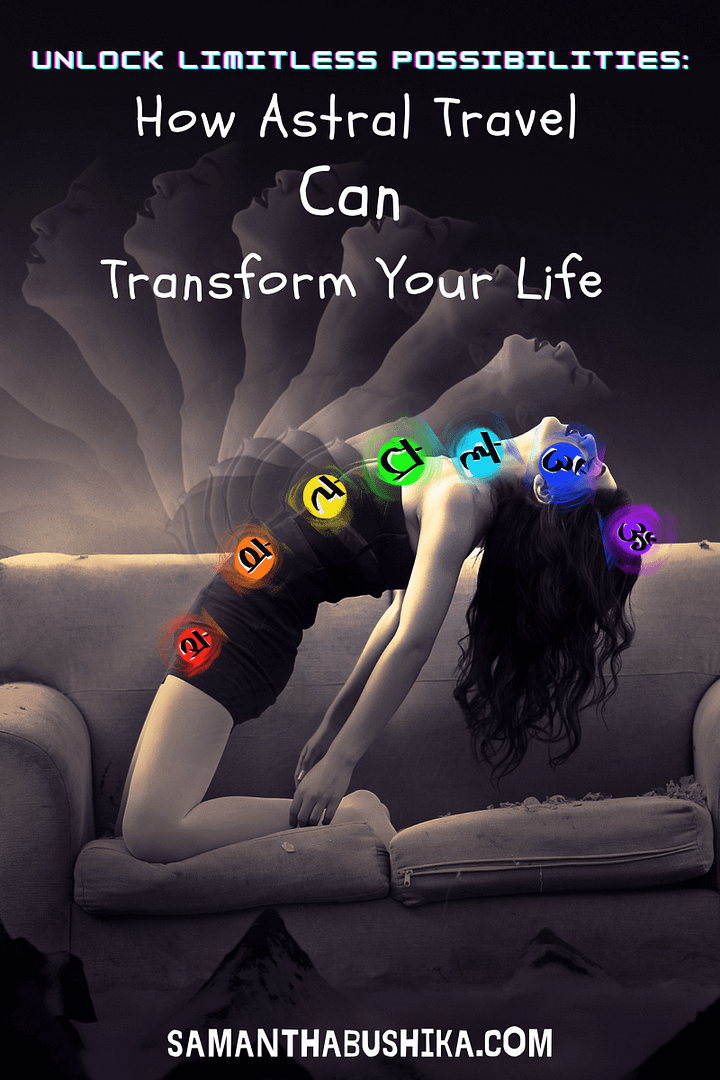
The best part is when you get to a point where you can begin experimenting with astral travel and shifting reality’s. You have no idea what your in for, but you can thank me later.
If you need access to my meditation folder, which includes The Gateway Audios, Infraliminals, tons of hemi-sync, and thats jsut the tip of the iceberg, just let me know and I will shoot you the link or you can grab from my Freebies page.
🧘♀️ Mindfulness Meditation
This form of meditation focuses on the present moment. Practicing mindful awareness allows thoughts and emotions to pass without judgment, reducing negative self-talk and emotional distress.
Mindfulness-based stress reduction (MBSR) programs and mindfulness-based cognitive therapy (MBCT) have shown effectiveness for individuals with psychiatric disorders, chronic pain patients, and those in addiction recovery.
Mindfulness meditation is typically done while sitting comfortably in a serene, calm environment. Concentrating on the present moment is a key component of mindfulness meditation. Your mind becomes more at ease, allowing emotions and thoughts to flow easily with mindfulness practice.
According to a study conducted by the National Institute of Health, participants of mindfulness practice exhibited lower stress levels than those who did not.
Keep in mind that your aim when practicing mindfulness meditation should be to simply monitor your thoughts and emotions. Try not to participate or pass judgment. In my experience, it gets easier the more you practice.
What I never knew was that the goal is not to eliminate thoughts, but to observe them without judgment and return focus to the present, such as to the breath. It is a common misconception that meditation requires a blank mind; it is actually about awareness. This was a game changer for me.
🧘♀️ Transcendental Meditation
Transcendental Meditation (TM) is a simple, effortless form of silent meditation practiced for about 15–20 minutes twice a day while sitting comfortably with your eyes closed. Unlike techniques that ask you to control your thoughts or focus intensely, TM uses a personalized mantra that you repeat gently in your mind.
The goal isn’t concentration or mindfulness in the traditional sense—it’s allowing the mind to settle naturally into a quieter state of awareness. As your thoughts soften, the body follows, often entering a deeply restorative state of rest that’s even calmer than sleep. This process helps calm the nervous system and allows stress stored in the body to gradually release.
Over time, many people find that Transcendental Meditation enhances clarity, emotional stability, and overall well-being. Regular practice has been associated with reduced stress levels, improved focus, and greater emotional resilience.
Some practitioners report feeling more connected to themselves and experiencing moments of expanded awareness or inner stillness that carry into daily life. What makes TM especially appealing is its simplicity—there’s no need to force the mind or “do it right.”
Instead, it becomes a gentle pathway to deeper self-awareness, improved mental balance, and a greater sense of ease both internally and in the world around you.
🧘♀️ Movement Meditation
Movement meditation includes walking meditation, yoga, or gentle stretching. This practice connects body awareness with emotional healing, supporting physical pain management and emotional resilience. This is one I don’t have much to offer on. I really struggle with it, but other people say its where its at. You will have to let me know what you think.
🧘♀️ Body Scan Meditation
Body scan meditation increases awareness of sensations in the body. This technique is especially helpful for chronic pain patients and individuals experiencing negative affect or emotional distress. This is also the way of one of my favorite guided meditations that aids in accessing higher consciousness called Yoga Nidra. Please try this. Highly recommend.
🧘♀️ Mantra Meditation
Mantra meditation is a type of meditation where you gently repeat a word, phrase, or sound—either out loud or silently—to help focus your mind and settle your nervous system. The mantra acts as an anchor, giving your thoughts something steady to return to whenever they begin to wander.
It can be a traditional Sanskrit word, a calming phrase like “I am safe,” or even a simple sound that feels soothing to you. To practice it, you sit comfortably, close your eyes if that feels right, and begin repeating your chosen mantra in a slow, natural rhythm.
When your mind drifts—as all minds do—you simply return to the repetition without judgment. That’s the entire practice: noticing, returning, and allowing the mantra to guide you back to the present moment.
Meditation and Relapse Prevention

Mindfulness-oriented recovery enhancement (MORE) is an evidence-based intervention combining mindfulness, cognitive therapy, and positive psychology. Research shows it reduces addictive behavior and lowers the risk of relapse.
Meditation increases emotional regulation and supports compassionate care within addiction treatment programs. It also enhances the work of a treatment team by strengthening personal accountability and awareness.
Meditation In Daily Life
Meditation doesn’t require hours of silence. It can exist in quiet moments throughout your everyday life.
Mindful breathing during stressful moments.
Conscious awareness while cooking or walking.
Spiritual meditation during morning reflection.
A regular practice, even for a few minutes a day, creates lasting change.
Emotional Benefits of Meditation in Recovery
Meditation improves both positive affect and emotional resilience. It reduces negative emotions, helps process painful emotions, and strengthens emotional regulation.
It has helped me become calmer in my personal life, more patient with my children, and more compassionate with myself.
I used to wake up overwhelmed. Now I wake up grounded.
A Message to Anyone Hesitant About Meditation

I understand resistance.
I once sat in administrative segregation for months with nothing but my thoughts. Meditation sounded like torture. Being alone with my mind was terrifying.
But mindfulness practice helped me transform that fear into personal growth. It gave me tools to sit with emotions rather than escape them.
Desperation led me to meditation. Determination keeps me there.
The Science Is Clear
Recent studies show mindfulness-based interventions produce numerous benefits for addiction recovery, emotional regulation, and overall well-being.
Even short programs — weeks of mindfulness training — produce measurable improvements in brain activity, stress reduction, and emotional resilience.
Meditation is not religious. It’s neurological.
Meditation is a powerful tool, but it’s just one part of recovery. Effective treatments include therapy, group therapy, treatment programs, family support, and compassionate care.
Whether you’re navigating opioid misuse, alcohol addiction, behavioral addictions, or chronic substance use, healing is possible.
A Thirty Day Invitation
Humor me for thirty days.
Five minutes of mindfulness meditation twice a day.
Log your thoughts.
Notice emotional shifts.
Observe your daily life.
Consistent practice leads to transformation.
A Thirty Day Invitation
Meditation has become one of the most effective tools in my recovery process. It has strengthened my emotional resilience, reduced negative emotions, and helped me build a spiritual life grounded in awareness rather than escape.
If I can do this, you can too.
You deserve peace. You deserve clarity. You deserve healing.
Talk to me. I’m here.
A Final Word
I am here for you, and I know how HARD it is. Also, I know how the word hard doesn’t come close to doing our struggles justice, even in all capitals. Talk to me. I’m here. I’m not going anywhere until I am laughed out or forced out.
I leave all doors to communication open for my readers, whether I have readers or not. It’s my strong desire to help, and there isn’t much I haven’t survived at this point. I have found a better way, and if you just stick around, I plan on telling you all about it.
Please comment and let me know about your experiences with meditation and if this article resonated with any of you. I believe in this with every fiber of my being, and I hated the word meditation prior. Now, it’s another of my addictions because just wait until the first time you astral project!
Oh, you didn’t know that’s a thing. You didn’t know that through continued practiced meditation, you can travel to other dimensions on the astral plane? Didn’t know that the CIA used “remote viewing,” AKA Astral projection. AKA OBE or out-of-body experiences, to spy on our enemies during the Cold War in the 1950s? You didn’t know that it wasn’t death you experienced that summer? If you want to read my post, My Supernatural Experience: My Supernatural Review you should check it out.
Check out my post by clicking the following link How I Beat my Lifelong Addiction to Using and Selling Heroin, Using the Law of Attraction Part 2.
I really do have a lot to teach you, then. If you are interested in astral travel or having an out-of-body experience, you can grab your copy of The Gateway audios that was used to train their agents for remote viewing here (affiliate link. Please see affiliate disclosure at the top of the page.)
This is the program that is referenced in the CIA report Gateway. I have it, and it worked for us. Do them in order, one each night. Until next time check out the following links and let me know what you think in the comments.
Remote Viewing: Resurrecting the CIA’s Art of Psychic Travel by Dan Fox
Government-Sponsored Research in Psychoenergetics The Black Vault (Official CIA document) thanks to the FOIA
Also, check out Astral Door on YouTube Gene is such a badass. Reddit also has a kickass sub. This is definitely something you may want to look into. Trust me on this.
If This Post
If this post resonated with you or you would like to add or share something, please do so in the comments below. You know I love to hear from you. You could also support my work by liking, sharing, commenting, subscribing, following, and registering to join our free-of-charge, supportive, all-inclusive, judgment-free, meet-you-where-your-at online community where teachers learn. Learners teach all while working together to #provethemallwrong and #showthemwhatwecando.
In our support forums, you can give or receive support all on the same day. This community is for all of us who are more progressors, less perfectors. Addiction is not a prerequisite. All are welcome. This is a new, growing community, so please be patient. If there are any issues, please contact me at [email protected].
Post Off Quote
"Change your thoughts, change your life."
– Lau Tzu
Post Off Affirmation
My unbelievable strength and my desire for change are kicking my addictions ass every day in every way.
Showing 1–12 of 13 resultsSorted by latest






Showing 1–8 of 326 resultsSorted by latest



0 Comments