I never wanted to become a heroin addict. Still, in a world where we often put our best foot forward on social media and paint our lives in rosy colors, I know firsthand that there is a dark and harrowing reality hidden from public view. It’s a reality that I know all too well.
Addiction is a silent, cunning, and ruthless foe that takes hold of us and transforms our lives into a never-ending nightmare.
This blog post aims to pull back the curtain on the agonizing, soul-shattering, and often hopeless journey that is addiction. I am sharing this because I am a human being. I am a daughter, a mother, an aunt, a sister, a volunteer, a good person, etc., and I get treated horribly because of my past with this disease.
Even more importantly, it’s a story that desperately needs to be told by someone who has lived it.
⭐My apologies for not using person-first language in this post, as I am usually very aware of my use of the term. Keep in mind that I was addicted before addiction was considered to be a disease, and I am only referring to myself when using the word “addict.” I am trying to raise awareness and advocate for prevention, and sometimes I think that posts on the topic need to be candid and raw so the point comes across, and people understand what we are dealing with. Forgive me. ⭐
I. Introduction
If you are someone lucky enough to have a life that hasn’t in some way been touched by addiction, then you are luckier than you know. I have lost so many people I loved to this disease that you would believe me if I told you the number.
I am often faced with individuals who truly believe addiction is not a disease and that, as a heroin addict, I chose my path. Nine times out of ten, these are the people whose lives have not been touched by addiction.
I tell them all the same thing.
The one thing that we all have in common is that we hate ourselves. For most of us, it’s because of something someone else did to us that we had absolutely no control over. They took our power, our confidence, our strength, our security, our development, our developing self-awareness, our innocence, our mindsets, anything else we had going for us, and so much more.
In one fell swoop, they replaced them with the inability to trust or ask for help, self-doubt, self-loathing, mental health issues, living life in fight-or-flight, debilitating anxiety, debilitating fear, and you get the idea.
Being so young and feeling so much pain—it’s intolerable.
We are so hard on ourselves, and coping with the trauma of whatever it was that happened isn’t easy for us. We have never felt comfortable in life. It’s an unbearable feeling, and I wish it on no one.
I frequently say that I grew up feeling as though I was wearing a skin suit that was five sizes too small.
It wasn’t okay.
I wasn’t okay.
A quick note before we go any further: heroin is not just an addictive drug in the casual sense. It is an addictive opioid drug derived from morphine, which comes from the opium poppy. It crosses the blood-brain barrier rapidly and is converted to morphine in the brain, where it binds to opioid receptors and can produce intense pleasurable feelings and feelings of euphoria.
Those immediate effects are part of what makes the use of the drug so dangerous for vulnerable people. The desired effects can arrive fast; so can tolerance, physical dependence, and the onset of chemical dependency.
Heroin addiction is now understood medically as a substance use disorder. Depending on the clinical language being used, you may also hear heroin use disorder or opioid use disorder.
These terms matter because addiction is a medical condition, not proof that someone is weak, immoral, or beyond help. Drug addiction can alter brain chemistry, behavior, judgment, motivation, relationships, and nearly every one of the areas of an individual’s life that once felt stable.
I never chose to disappoint my family and hurt them on repeat.
I never chose to spend my life incarcerated, going in and out of jail for twenty years, sometimes getting out and going back the same or the next day.
I never chose to watch those I love die over and over.
I also never chose to have my innocence taken from me or to grow up with the weight of the world on my shoulders, living with an alcoholic-addicted single mother who loved to party.
Nah, never asked for it consciously.
Let’s see if we can make them understand.
The Hidden Horrors of Heroin Addiction
The hidden horrors of addiction often exist in the shadows, concealed from the prying eyes of society. Behind closed doors and veiled beneath the veneer of normalcy, countless individuals grapple with the relentless and all-encompassing grip of substance dependency.
The stage is set in a world where appearances can be profoundly deceiving, where the smiling faces of friends, family members, and colleagues may mask a tumultuous and harrowing struggle that unfolds silently.
Millions of people are suffering silently every day.
There is no single profile of the person who develops an opioid addiction.
Risk factors can include genetics, mental health, a traumatic event, being a victim of abuse, early exposure to substance abuse, family history, access to drugs, personality traits, and specific environmental factors.
None of those risk factors guarantee that someone will develop a substance use disorder, and plenty of people develop one without fitting a stereotype.
That is part of why families sometimes miss the following signs until the problem is already serious.
For family members trying to understand what is happening, the signs of heroin use can vary. A possible warning sign might include sudden sedation, unusual secrecy, dramatic changes in friends or routines, unexplained financial problems, constricted pupils, disappearing for long periods, unexplained drug paraphernalia, or track marks associated with injection drug use.
No single sign proves heroin abuse, but multiple signs of heroin addiction appearing together are a reason to pay attention and consider guidance from qualified health care providers.
Within the realm of addiction, the allure of the drug becomes a siren’s call—a seductive promise of escape from the pain, anxiety, and despair that haunt our very own hearts.
Most of us are waiting for it because we can’t take another day of the pain.
The journey often commences with the fateful decision to take that first shot, swallow that first pill, or down that initial drink. In these moments of vulnerability, addiction finds its foothold, luring us into a web of deceit, desperation, and destruction.
We are so naive and don’t want to hurt anymore.
We also think we know everything —and spoiler: we know NOTHING.
The hidden horrors of addiction manifest in the secret lives that we lead. The world witnesses a facade of normalcy while behind closed doors a parallel existence unfolds—a life marked by lies, isolation, and an insatiable need for the next fix.
Loved ones who once stood as pillars of support become unwitting participants in our elaborate charade, deceived by the mask of normalcy worn by their struggling family member or friend.
Meanwhile, we navigate our treacherous path, our days consumed by a relentless pursuit, a hustle to secure the means for the next fix, and a growing chasm of isolation that separates us from the world we once knew.
My Journey Into Heroin Addiction
Heroin sold as a street drug can look very different depending on where it comes from and what it contains. It may appear as white or brown powder, or as black tar heroin—a black sticky substance.
What someone believes is pure heroin may be mixed with other substances, including fentanyl, a powerful synthetic opioid associated with an increased risk of overdose.
That unpredictability means heroin users often do not actually know how much heroin, fentanyl, or other substances are in what they are taking.
Heroin can be injected, snorted, or smoked. Some people smoke heroin using aluminum foil because they believe avoiding a needle makes the drug safer.
It does not eliminate the risk of overdose, physical dependence, addiction, or other health problems.
Regular heroin use changes tolerance, and higher doses or more frequent doses may eventually be needed to produce similar desired effects. That is one reason the regular use of heroin can become dangerous so quickly.
A lot of people start on pills, which are really expensive. Soon enough, our tolerance grows to the point where we can no longer afford to feed it.
That’s the point where, typically, someone we trust points out the obvious.
Dope is cheaper, and you definitely get more bang for your buck.
I have never heard even one story where they tell us, “Hey, this stuff is pretty treacherous, and if you use it every day, you will get so sick you will think you’re going to die.”
Nobody shares that tidbit.
They smile and act excited and have no problem sticking a needle into your virgin teenage veins.
If you’re like me, the next thing you know, you are driving to the city, coming back with ungodly amounts of heroin sitting right in your center console because it simply won’t fit anywhere else.
And you can sell it.
Get this—you are not selling it to get rich.
You are only selling it to support your quickly growing habit.
You’re running from a sickness that you have no real idea about at that point. By this time, you have heard the sickness referenced, but you still just can’t go a day without getting high because, for once in your pathetic existence, you can’t feel the pain.
The trauma is a thing of the past.
Or so you think.
They also never tell you that you will start having difficulty finding veins at some point in the future.
They start to hide from the poison you are steadily injecting into them.
They don’t tell you that you will also become addicted to the act of shooting up and that no matter how bad the pain and damage, you physically can NOT stop.
You will shoot out your arteries, maybe even shoot up in your forehead, your eye, even the bottoms of your feet.
They don’t tell you that you will spend the next twenty years walking around like a zombie, falling asleep in the middle of sentences… while standing up… while pouring hot coffee… while you’re at court.
They don’t tell you about the poison within a poison that will contribute to permanent damage, discoloration, scars, and permanent swelling that your limbs may incur in the future—or the chunks of flesh you can lose that leave scars that disfigure your body.
They don’t tell you about the infections you can get that can and will kill you.
They don’t tell you how bad you feel when you wake up after overdosing and being Narcan’ed to realize you’re alive.
They don’t tell you how the blood can coagulate within the needle, and if it clogs, you lose your shot—or that no matter what, you will get that shot into your body, even if you shoot it in your skin to form a large and seriously painful lump for two to four days.
They don’t tell you about the pain, bruising, or abscesses and how insanely painful they are.
Or how good the chances are of getting jumped, raped, or killed on the city streets.
Or how many times you will be ripped off for everything you have.
They don’t tell you about the many lives you will lose when repeatedly going back to jail.
They don’t tell you that you will lose relationships, homes, cars, jobs, worldly possessions, pets, and everything else you may have worked hard to get.
They don’t tell you that you will never find a job because no one will hire you because they don’t think you are worth the chance.
They don’t tell you that you may have to get federal insurance on your person to get hired in case you decide to steal or mess up really bad, so the insurance covers it—and chances are you still won’t get hired.
They don’t tell you about the blood splatter on the ceiling from blood coagulation in the needle causing a blockage that you push so hard it finally gets pushed out all over your ceiling.
Or about how you turn your shoes upside down when you enter any home that has people using for just that reason—so it doesn’t get into your shoes.
They don’t tell you about how badly you will be treated in jail, how you will be thrown in the hole for months at a time by yourself and taken off your medications.
They don’t tell you that you will lose parts of yourself in there that you can never get back.
They don’t tell you that you will soon become just like them.
You will make it look fun to your friends for no reason other than that misery… loves… company.
They don’t tell you that from the first use on, people will look at you and treat you like you are the lowest thing in existence, and soon enough, all those looks make you start seeing yourself the same way.
They don’t tell you about the way all your friends from high school will start falling off or the way they look at you in the grocery store when they pretend not to see you.
They don’t tell you that every second will be a struggle to live.
They don’t tell you how all of them hear rumors constantly, but not one of them ever confronts you.
Or how the minute you decide to use heroin, your life somehow fails to matter to anyone.
They don’t tell you that you will get to a point where you cannot hit yourself and that you will have to ask your friends to do it.
You even have to take a hot bath first because that makes your scared little veins pop to the surface.
They don’t tell you that the people you love will die right before your eyes.
Sometimes, you are lucky enough to save them.
Other times, you can’t allow yourself to give up and complete CPR on your dead loved one for forty-five minutes.
They don’t tell you that every person you ever loved will never look at you the same again.
They don’t tell you how people get a look of disdain on their faces when they say your name.
Or how you make mistakes while procuring your drugs, and they add up to a point where you realize you can’t not be numb because you would rather die than feel those feels.
They don’t tell you that if you think you hated yourself before using, words can’t do justice to how you will feel about yourself afterward.
They don’t tell you how addiction can lead to jails, institutions, and death—or that you can spend much of your life cycling through the first two while, on your worst days, hoping for the third.
They don’t tell you that when you eventually get caught—and you will get caught—you may find yourself detoxing in a small cell by yourself with only a bed, toilet, and fireproof blanket.
They don’t tell you that one day you can wake up and realize your life has passed you by.
I was never told any of this stuff.
And that is exactly why I am telling you now.
They don’t tell you that you can have your children taken from you and that you might never see them again.
They don’t tell you how you lose a part of yourself that you can never again find.
Or how there are lines you never thought you would cross, and when you do, your world shifts and your insides become an even deeper, darker, lonelier hole.
They don’t tell you that even if you do manage to recover and start a blog, for example, you may still encounter stigma from people within the very niche that is supposed to advocate recovery.
They don’t tell you that while you recover, some of the people you were once so close to may begin to hate you more and more with every one of your small successes.
They don’t tell you that the act of purchasing your own home can render you friendless.
They don’t tell you that this can happen because people get really mad when you stop making it so easy for everyone else to look good.
They don’t tell you that every success you share on social media may no longer receive likes or comments, no matter how big that success is.
The one thing you were told becomes your reality.
THEY WERE NEVER YOUR FRIENDS.
And the fact that you feel things now—this really hurts.
II. The Allure of Heroin
As I look back on my life, I can vividly recall the day I was injected with my first shot of heroin.
It was an escape from the pressures, pain, and anxieties that had been building within me.
Little did I know that this initial escape would lead me down a treacherous path, one that countless others have also traveled—including those who made it seem so enticing to my teenage self.
Heroin seemed like the answer.
The temporary respite from the demons that haunted my mind.
The demons that, up until that point, I had never been able to escape.
Can you imagine how that feels?
Can you imagine how it feels to have negativity whispered in your ears nonstop?
Negativity that is more cruel to you than anyone else ever could be?
That first high, the warmth, the numbness—it was a feeling of euphoria that I wanted to chase endlessly.
I was finally free.
I would never stop, not for nothing.
Or so I thought.
But that first rush was not evidence that heroin had fixed anything.
The effects of opioids involve systems connected to pain, reward, breathing, alertness, and other automatic functions. Opioids can create warmth, sedation, pain relief, a sense of detachment, and powerful reinforcement of the desire to use again.
The addictive properties of heroin are not simply about “liking” the high.
Repeated exposure can change how the brain responds to reward, stress, and the absence of the drug.
And the risk of overdose is always there.
A heroin overdose or other opioid overdose can slow breathing until the brain and body are deprived of oxygen.
Shallow breathing, extreme sleepiness, inability to wake, blue or gray lips or fingertips, and gurgling or choking sounds require immediate medical attention.
Naloxone can temporarily reverse an opioid overdose, but emergency medical help is still necessary.
Chasing a Ghost
As an addicted person, I soon realized that chasing that initial high was a fool’s errand.
No matter how much heroin I consumed, I never came close to recapturing the magic of that first experience.
Instead, I found myself in a relentless pursuit, constantly increasing my dosage and risking my life with each use.
I overdosed and caused my own death on multiple occasions, only to be saved by my fellow cohorts.
The high I was chasing grew more elusive, and I became a slave to its demands, forsaking everything else in my life by simply staying away.
The Downward Spiral
Heroin addiction is like a downward spiral, a vortex that pulls you deeper and deeper into its clutches.
Day by day, it consumed my existence, pushing aside all other priorities.
My life began to revolve around the drug—finding money to buy it, finding ways to use it without getting caught, and numbing the pain that had initially driven me to it.
It was a life consumed by addiction, a life that became increasingly difficult to escape.
III. The Secret Life of a Heroin Addict
As an addict, I learned early on to master the art of concealment.
Behind the facade of normalcy, I harbored a secret that was slowly devouring me from within.
I was working two separate management positions and going to college.
The world saw a version of me that appeared functional, but beneath the surface, I was drowning in a sea of despair, deceit, and desperation.
Living a Double Life
Addiction is a master of disguise.
It taught me how to put on a mask, to feign normalcy when all I felt was chaos inside.
To my friends, family, and coworkers, I was just another person going about my daily life.
But behind closed doors, I was a prisoner to my cravings, a slave to my drug of choice.
Maintaining this double life required a relentless commitment to deception, which quickly led me right into criminal thinking.
I would go to great lengths to hide my addiction, not that anyone particularly cared, but I had friends from school who I had to hide it from.
The shame and guilt of living this dual existence were overwhelming, but the desperation to maintain the status quo kept me locked in this vicious cycle.
Little did I know I was on my way to cycles much, much worse.
Isolation and Alienation
One of the most heartbreaking aspects of addiction is the way it isolates and alienates you from the people who care about you the most.
The fear of being discovered, judged, or rejected drives you to distance yourself from those who love you.
I pushed away friends, family, and romantic partners who had once been my pillars of support.
The isolation I felt was a self-imposed prison.
As my addiction progressed, I withdrew further into myself, pushing my loved ones away with a mixture of lies, anger, and withdrawal.
The loneliness and isolation only deepened my reliance on the drug, creating a vicious cycle that seemed impossible to break.
The Day-to-Day Struggle
Every day as an addict is a battle, a relentless struggle to satisfy an insatiable hunger for the drug.
The cravings are like a constant whisper in your ear, urging you to use, promising temporary relief from the agony of withdrawal and the emotional torment that accompanies addiction.
Escape.
I became a slave to the drug’s demands, willing to sell the drug to others to support my own sick habit.
My life revolved around driving to the city multiple times a day, securing my supply, and driving it back to my “Beez”—buyers—while avoiding the law or anyone who might intervene.
It was a life of desperation, in which the pursuit of the next high overshadowed every other aspect of my existence.
IV. The Physical and Mental Toll of Heroin Addiction
Behind the scenes of an addict’s life, a profound and devastating toll is exacted on both the body and mind.
The physical and mental consequences of addiction are hidden beneath the surface, often overshadowed by the relentless pursuit of the next high.
The Agony of Heroin Withdrawal
Withdrawal from heroin is a nightmare that most people cannot fathom unless they’ve experienced it firsthand.
It’s an ordeal that makes an addict dread the very thought of sobriety.
The physical symptoms of withdrawal include excruciating pain, nausea, vomiting, diarrhea, muscle cramps, and intense cravings.
These symptoms can last for days, making every moment feel like an eternity.
The effects of heroin withdrawal are ugly enough that fear of them can keep people trapped in active use for a long time.
Withdrawal symptoms can include anxiety, agitation, sweating, yawning, a runny nose, insomnia, nausea, vomiting, diarrhea, muscle aches, bone pain, abdominal cramps, goosebumps, and intense cravings.
Heart rate can also increase during opioid withdrawal.
The following symptoms are not identical for every person. Withdrawal severity can vary based on duration of use, dose, other drugs, overall health, and other factors.
Withdrawal is not an overdose, but it is still a point at which medical supervision can be incredibly valuable.
Health care providers can evaluate symptoms, co-occurring medical conditions, medications, pregnancy, mental health concerns, and additional risks before recommending appropriate treatment options.
Trying to muscle through severe withdrawal alone can also increase the chance of returning to use. After tolerance has fallen, returning to a previous dose can create an increased risk of overdose.
And it’s not just physical agony.
Withdrawal takes a toll on your mental and emotional well-being as well.
The anxiety, depression, desperation, and cravings that accompany withdrawal can be overwhelming, pushing many addicts back into the cycle of drug use simply to escape the torment.
The Constant Cravings
Even when the physical symptoms of withdrawal subside, the cravings persist.
Addiction rewires the brain, creating an insatiable hunger for the drug.
It’s a constant, gnawing sensation that refuses to be ignored.
No matter how badly you want to quit, the cravings can be overwhelming, driving you back into the clutches of your addiction.
The constant craving for the drug is a haunting reminder that breaking free from addiction is not just a matter of willpower.
It’s a battle that takes place on multiple fronts, with the mind and body conspiring to keep you trapped in a cycle of dependence.
The Health Risks of Injection Drug Use
Injection carries another layer of health risks.
Repeated injection drug use can damage veins and soft tissue and lead to abscesses, bloodstream infections, and infections of the heart.
Sharing or reusing contaminated injection equipment can spread infectious diseases, including HIV and viral hepatitis such as hepatitis B and hepatitis C.
The U.S. Centers for Disease Control and Prevention has specifically identified blood-borne infection as a serious consequence of injection drug use.
That matters because the damage caused by the abuse of heroin is not limited to the high or the withdrawal.
It can become a lifelong health problem.
This is also why harm reduction belongs in the conversation.
A person does not have to be “ready” for perfect abstinence before their life is worth protecting.
Sterile equipment, naloxone access, infectious-disease testing, vaccination where appropriate, and connections to health care and disease control services can prevent death and disease while someone is still trying to find a way out.
Lost in the Haze
As addiction tightens its grip, it erodes the very core of your self-identity.
The person you once were becomes a distant memory as the drug takes precedence over everything else in your life.
Hobbies, passions, dreams, and relationships all fade into the background, replaced by a singular focus on obtaining and using the drug.
The erosion of self-identity is a painful and gradual process.
It leaves you feeling like a mere shell of your former self, disconnected from the values, aspirations, and interests that once defined you.
It’s a profound loss that compounds the already immense difficulties of recovery.
V. The Cycle of Desperation
In the shadowed corners of addiction, a never-ending cycle of desperation unfolds.
It’s a cycle that entraps individuals, driving them to increasingly desperate measures in their quest to feed their addiction and numb the pain that haunts their lives.
The Hustle
When you’re in the throes of addiction, there’s no limit to the lengths you’ll go to to obtain your drug of choice.
The hustle becomes a way of life—a relentless pursuit of money, connections, and opportunities to score your next hit.
You’ll engage in behaviors that you never thought possible, resorting to theft, deceit, and manipulation to fuel your addiction.
As a woman addicted to heroin, I was extremely lucky that hustling came as second nature.
People do desperate things when they lack options.
I had somehow manipulated the game so that I NEVER ran out of options.
Do I understand how people can rob their loved ones or sell their bodies for drugs?
I will be honest and tell you that that after twenty years in the game, I have noticed that the people who go this far have already gone too far, and in their minds, there is no going back.
Just because I don’t understand the motivation behind it doesn’t mean I judge or look down on it.
I don’t.
I feel for those who couldn’t realize their self-worth in time.
It’s heartbreaking.
I know their pain, and I know what it feels like to be beaten down so long and so hard that you simply don’t realize your worth.
These are the individuals who keep me pushing on.
They are why I started my blog.
They are at the top of the list of those I want to help.
I want them to know they are worth so much more than their addiction.
The hustle is a constant battle between the need for the drug and the moral compass that still exists within you, however buried it may be.
It’s a moral erosion that leaves you feeling like a stranger to yourself, a far cry from the person you once were.
Criminal Involvement and Addiction
For many addicts, the desperation to sustain their habit leads to criminal involvement.
Whether it’s drug-related offenses, theft, or more serious crimes, the allure of addiction can drive individuals to compromise their values and break the law.
Legal consequences become a looming threat, but they often pale in comparison to the overwhelming need for the drug.
I was horribly failed by an unjust justice system.
I spent twenty-plus years stuck in a cycle of addiction and incarceration for petty, nonviolent, drug-related offenses, some of which are no longer criminal.
My whole life is gone because my small town decided that this poor girl would become the example.
They couldn’t have more people become addicted to heroin, could they?
The criminal involvement that accompanies addiction—and the abuse of heroin that often sits behind it—can further isolate individuals from society and exacerbate their feelings of hopelessness.
It’s a vicious cycle where addiction begets criminal behavior, and criminal behavior begets more addiction.
I can tell you it is living in your own personal hell on repeat.
When Everything Falls Apart
Eventually, the consequences can become impossible to ignore.
Relationships crumble.
Jobs disappear.
Health deteriorates.
Homes go.
Freedom goes.
Self-respect goes.
Sometimes the devastation becomes a catalyst for seeking help.
Sometimes it only creates more despair.
While detoxing in the hole, I used to think about how I was so low that there was not one person in the universe who wished they were me.
Talk about sobering.
VI. Prescription Opioids, Heroin, and the Path Nobody Plans
For some people, the path to heroin begins with prescription painkillers or other prescription opioids.
That does not mean everyone prescribed pain medication will develop an opioid use disorder, and it does not mean heroin addiction follows one universal path.
But prescription drugs and illicit opioids act on overlapping opioid systems in the brain, and some people eventually move from prescription opioids to illicit drug use when tolerance, availability, cost, dependence, or other circumstances change.
Young adults are not the only group affected, either.
People can develop opioid addiction at different ages and under very different circumstances.
Some began using in high school.
Some encountered opioids after an injury or surgery.
Some were trying to numb trauma.
Some were surrounded by drug abuse from childhood.
Some simply had no idea what they were walking into.
The only thing these stories consistently prove is that addiction is far more complicated than the stereotype of a “bad person making bad choices.”
VII. Broken Promises and Shattered Dreams
In the world of addiction, promises are broken, and dreams are shattered on a daily basis.
The relentless cycle of desperation and dependence leads to a series of heart-wrenching consequences that haunt an addict’s journey.
The Impact on Relationships
Addiction has a devastating impact on the relationships that matter most.
Friends and family who once stood by your side become witnesses to the slow unraveling of your life.
Trust is eroded as you lie, steal, manipulate, disappear, and prioritize the drug over everything else.
The heartbreak and betrayal experienced by loved ones can be overwhelming.
They watch helplessly as you prioritize the drug over everything else, leaving them feeling hurt, abandoned, and powerless to save you from yourself.
Missed Opportunities
Addiction robs individuals of their dreams and potential.
As the pursuit of the drug becomes all-consuming, aspirations are forgotten, and opportunities slip through your fingers.
Careers, education, relationships, creativity, and personal goals are sacrificed on the altar of addiction.
The potential that once burned bright within you is smothered, leaving you with a sense of regret and despair.
The dreams you once had seem like distant memories.
The future appears bleak.
Self-Loathing
One of the most insidious aspects of addiction is the self-loathing that accompanies it.
As you witness the destruction of your own life and the pain you inflict on those you love, a deep sense of shame and guilt takes hold.
It’s a heavy emotional burden that weighs on your soul, exacerbating the desire to escape through drug use.
The emotional toll of addiction is relentless, leading to a vicious cycle of self-destructive behavior and self-recrimination.
It’s a dark and lonely place where self-worth is at an all-time low, and the path to recovery can seem impossibly distant.
VIII. The False Hope of Recovery
In the turbulent world of addiction, the pursuit of recovery can often seem like an elusive mirage.
The desire to break free from the clutches of addiction is strong, yet the journey toward sobriety is fraught with challenges and setbacks.
Failed Attempts
Quitting an addiction is one of the most difficult challenges an individual can face.
The physical and psychological dependency on the drug makes it incredibly hard to stop using.
Many addicts make multiple attempts at quitting, only to find themselves pulled back into the cycle of addiction.
The fear of withdrawal, overwhelming cravings, mental health struggles, and the constant battle with the demons of addiction can make it seem almost impossible to quit.
Each failed attempt can deepen the sense of hopelessness and despair, leaving many to wonder if recovery is even achievable.
The Revolving Door of Treatment
Addiction treatment can offer a glimmer of hope, but it often proves to be a long and winding road.
Many addicts enter rehab programs or seek professional help with the best of intentions, only to experience relapse later on.
Relapse is painful and discouraging.
But it does not mean recovery is impossible.
The revolving door of treatment can be disheartening as individuals find themselves caught in a cycle of progress and setbacks.
It’s a testament to the power of addiction and the tenacity it takes to break free.
What Heroin Addiction Treatment Can Actually Look Like
Heroin addiction treatment is not one-size-fits-all.
Evidence-based treatment options for opioid use disorder can include medications such as methadone, buprenorphine, and naltrexone alongside counseling, behavioral treatments, peer recovery services, and support groups.
The right combination depends on the person.
A qualified treatment provider can consider medical needs, mental health concerns, living environment, safety, trauma, other substance use, and barriers to recovery.
The National Institute on Drug Abuse and other major public-health organizations recognize addiction as a treatable health condition.
Effective care is not supposed to be about punishment.
It is about preventing death, reducing harmful drug use, stabilizing health, treating co-occurring conditions, and helping people build lives they actually want to stay alive for.
For many people, emotional support from family members, peers, counselors, recovery coaches, and recovery communities becomes just as important as formal treatment.
The Importance of Support
Despite the challenges and setbacks, recovery is possible.
One of the key ingredients in successful recovery is support.
Friends, family, addiction professionals, recovery coaches, peers, and others with lived experience can play crucial roles in helping individuals move forward.
Supportive and understanding relationships can provide motivation and encouragement.
Group therapy, counseling, peer communities, and support groups can offer valuable coping strategies and a place to be understood without having to explain every ugly detail.
IX. Hope and Redemption
In the depths of addiction, there lies a beacon of hope—a hope that can illuminate the path to redemption and a life reclaimed.
While the road to recovery is strewn with challenges, it is also adorned with resilience, strength, and the promise of healing.
Finding a Reason to Live
For many individuals trapped in the throes of addiction, the journey toward recovery begins with a profound turning point.
It’s that moment when the realization dawns that addiction has exacted a devastating toll, claiming relationships, dreams, freedom, health, and personal well-being.
That realization can become the catalyst for change.
Finding a reason to live—a purpose that transcends the allure of the drug—can become the driving force behind recovery.
It may be the love of a family member.
The desire for a better future.
A child.
A relationship.
A dream.
Or simply the recognition that life is worth fighting for.
For me, it was finding out I was pregnant with my daughter at the age of thirty-five.
She became my purpose.
It wasn’t about me anymore.
Even though I had never wanted children, she was what finally filled that deep, dark hole within.
My purpose.
Someone who needed me.
And it had nothing to do with drugs.
My daughter and the people I helped along the way changed everything.
The Power of Recovery
Recovery is not solely about ceasing substance use.
It’s about reconstructing a life that addiction shattered.
For most of us, repeatedly.
It’s a journey involving physical, mental, emotional, financial, social, and spiritual healing.
Addiction leaves scars.
Recovery is the process of transformation, growth, and self-discovery.
If you keep at it, you are bound to get it right at some point.
If I got it right, I promise anyone can.
Asking for help and expressing your vulnerabilities is essential and absolutely unheard of for many of us.
For most of my life, I would have preferred poking my own eye out over asking for help.
Be humble.
Stay grateful.
Keep going.
For many people, recovery involves professional treatment, therapy, medication, recovery coaching, support groups, family support, new coping strategies, and finally addressing the underlying pain that drugs temporarily covered.
A Message of Hope
The most vital message I can convey is that recovery is not only possible.
It is happening every day.
There are countless people who have transcended the depths of addiction and reclaimed their lives.
People like me.
Our stories are a testament to the resilience of the human spirit and the power of hope.
I have a UGC section of my blog called Unheard Voices, where I publish reader content.
Readers can share their original writing, pieces, paintings, sketches, poems, and more.
If you are interested, you can submit your work.
Guest posts with links are welcome.
Just please be reasonable.
If you or someone you know is battling addiction, remember that help is available.
Reach out to addiction support services, health care providers, therapists, recovery coaches, or support groups.
If all else fails, contact me, and I will do anything within my ability to help connect you with support.
It is never too late to seek assistance and begin moving toward recovery.
X. Heroin Addiction in the United States Today
The United States has spent decades dealing with successive waves of drug abuse, prescription opioid misuse, heroin addiction, overdose, and now an illicit drug supply heavily affected by fentanyl.
In the most recent year of available public-health reporting, overdose patterns continued to reflect a changing drug supply in which illicitly manufactured fentanyl and other synthetic opioids play an enormous role.
That matters because the old image of a “heroin addict” no longer tells us enough about the danger people actually face.
The substance someone believes they bought may not be what is actually in front of them.
And when the difference between what a person expects and what they receive can be measured in life or death, stigma is not merely cruel.
It is dangerous.
XI. Conclusion
In exploring what it means to be addicted, we have delved into the depths of a struggle that often remains hidden from the world’s gaze.
The unspoken truths of addiction are raw, heart-wrenching, and eye-opening.
This journey has been about revelation, empathy, and a call to action.
The Untold Stories
Addiction is a complex and devastating condition that affects individuals, families, and communities.
It is not simply a moral failing.
It is a profound health issue that deserves understanding, compassion, treatment, and support.
The untold stories of addiction are stories of pain, despair, isolation, survival, and sometimes redemption.
It is our responsibility to bring them into the light.
By sharing these stories, we can break the silence surrounding addiction, encourage open dialogue, and foster greater empathy for those suffering.
Only by acknowledging the depth of this struggle can we hope to make progress in addressing it.
A Call to Action
Addiction is a public health crisis that affects millions of lives.
It knows no boundaries and can impact people regardless of background, race, socioeconomic status, gender, intelligence, education, or potential.
As someone who was addicted before addiction was widely talked about as a disease, I can tell you that we must break the stigma associated with addiction and recognize that people need treatment, understanding, prevention, harm reduction, and support.
Because the old way doesn’t work.
We must advocate for policies that prioritize addiction treatment and prevention, increase access to mental health services, and address societal factors that contribute to addiction.
We must provide resources and support for individuals and families affected by addiction, ensuring that they have help available when they finally reach for it.
Another crucial part of recovery is for those of us who have made it to the other side to give back.
We need to keep it green and help those still sick and suffering.
Don’t you ever forget how quickly complacency can begin undoing what you fought so hard to build.
I can’t tell you how many times complacency landed me right back in jail and right back at square one.
You deserve better than that.
We need to stick together and support ours.
And again:
#ProveThemAllWrong
#ShowThemWhatWeCanDo
The Journey Continues
As someone who lost most of her life to a cycle of addiction and incarceration and somehow found a path to recovery when I was the last person anyone believed would survive addiction, let alone recover from it, I am committed to raising awareness and advocating for those who are still trapped in its clutches.
My own journey has been marked by pain, despair, self-destruction, incarceration, loss, and rebuilding.
I am determined to use my experience to motivate, inspire, and support others.
Maybe to prevent someone from making the same mistakes I made.
Even one person would make it all worth it to me.
Recovery is not a destination.
It is an ongoing journey requiring vigilance, resilience, support, and community.
It is my firm belief that by sharing our stories, shedding light on the darkness of addiction, and highlighting the path to redemption and recovery, we can collectively pave the way for a world where addiction is met with compassion, and people are empowered to reclaim their lives.
I am proof that it is possible to break free from the chains of addiction and rebuild a life filled with purpose, meaning, and joy.
I extend my hand to anyone who is struggling.
Seek help.
Reach out to your support network.
And believe in the possibility that your story is not finished.
Addiction may cast a long shadow, but through understanding, compassion, prevention, treatment, harm reduction, and action, we can begin dispelling that darkness.
We can break stigma.
We can keep people alive.
We can help people rebuild.
And maybe somebody reading this will hear all the things nobody told me before they ever picked up that first bag.
That alone would make telling the truth worth it.
Please consider registering to join my growing online support community. Becoming a member is free, and you get insider access, first access to upcoming freebies, my fact- and fun-filled monthly newsletter, access to my support forums, and so much more.
Help me build an online community that matters—just for us, by us.
FAQ's (Frequently Asked Questions)
K
L
1. What is heroin, and why is it so addictive?
Heroin is an illicit opioid made from morphine, which is derived from the opium poppy. It reaches the brain rapidly and can produce intense feelings of euphoria, pain relief, warmth, and pleasure.
Those effects, combined with changes in brain chemistry that occur with repeated exposure, contribute to its addictive properties.
Over time, regular heroin use can produce tolerance, physical dependence, and opioid use disorder.
K
L
2. What are the most common signs of heroin use?
The signs of heroin use are not identical for everyone. Still, possible warning signs include sudden drowsiness, “nodding off,” constricted pupils, secrecy, major changes in routine, unexplained financial problems, missing belongings, drug paraphernalia, changes in school or work performance, and track marks in people who inject.
Family members should look for patterns rather than assuming that one behavior proves substance abuse.
K
L
3. What are the signs of heroin addiction?
Signs of heroin addiction can include intense cravings, inability to control use, spending large amounts of time obtaining or recovering from heroin, continuing despite health problems or relationship damage, needing higher doses for the same effect, experiencing withdrawal symptoms when use stops, and giving up important responsibilities or activities.
Clinically, these patterns may fall under opioid use disorder.
K
L
4. What does heroin look like?
Heroin may appear as a white or brown powder or as black tar heroin, a dark, black sticky substance.
Appearance does not tell you purity, potency, or what else may be mixed into it.
A product sold as pure heroin may contain fentanyl or other substances, which can dramatically increase the risk of overdose.
K
L
5. Can you smoke heroin instead of injecting it?
Yes. People may smoke heroin, snort it, or inject it. Aluminum foil is sometimes used when smoking heroin.
Avoiding injection may eliminate some risks associated specifically with needles, but smoking heroin does not make the drug safe.
A person can still develop physical dependence, opioid addiction, experience dangerous side effects, and die from a heroin overdose.
K
L
6. What are the immediate effects of heroin?
Immediate effects may include a rush or a feeling of euphoria, a warm flush of the skin, dry mouth, heavy arms and legs, itching, nausea, drowsiness, and slowed breathing.
Heroin can also create a sense of detachment from pain or distress.
Because it depresses the central nervous system, too much can cause shallow breathing, unconsciousness, overdose, and death.
K
L
7. What does a heroin overdose look like?
A heroin overdose may cause extremely slow or shallow breathing, inability to wake, pinpoint pupils, limpness, pale or clammy skin, blue or gray lips or fingertips, and choking or gurgling sounds.
This requires immediate medical attention.
Administer naloxone if available, call 911, and remain with the person until emergency medical help arrives.
K
L
8. Why can overdose risk increase after someone stops using heroin?
Tolerance can decrease after detoxification, treatment, incarceration, hospitalization, or any other period without regular use of heroin.
If someone returns to a dose similar to what they previously used, that amount may now overwhelm their body.
This creates an increased risk of opioid overdose, particularly when the illicit drug supply may contain fentanyl or another synthetic opioid.
K
L
9. What are the effects of heroin withdrawal?
The effects of heroin withdrawal may include anxiety, agitation, insomnia, sweating, yawning, a runny nose, nausea, vomiting, diarrhea, abdominal cramps, muscle aches, bone pain, goosebumps, intense cravings, and an increased heart rate.
Withdrawal can feel brutal.
Treatment can make it much more manageable, and anyone with significant medical or psychiatric concerns should seek medical help rather than assuming they have to suffer through it alone.
K
L
10. How quickly can heroin cause physical dependence?
The effects of heroin withdrawal may include anxiety, agitation, insomnia, sweating, yawning, a runny nose, nausea, vomiting, diarrhea, abdominal cramps, muscle aches, bone pain, goosebumps, intense cravings, and an increased heart rate.
Withdrawal can feel brutal.
Treatment can make it much more manageable, and anyone with significant medical or psychiatric concerns should seek medical help rather than assuming they have to suffer through it alone.
K
L
11. How quickly can heroin cause physical dependence?
There is no universal timeline for the onset of chemical dependency.
It depends on the frequency of use, the amount used, the potency, the route of administration, biology, general health, other substances, and additional risk factors.
Frequent doses and regular use can lead to tolerance and physical dependence, and once dependence develops, suddenly stopping can trigger withdrawal.
K
L
12. Is heroin addiction the same thing as opioid use disorder?
Heroin addiction generally falls within the clinical diagnosis of opioid use disorder, which is a substance use disorder characterized by problematic opioid use causing significant impairment or distress.
The phrase heroin use disorder is also sometimes used when heroin is the opioid at the center of the problem.
These are health conditions—not character defects.
K
L
13. Can prescription opioids lead to heroin use?
Some people who misuse prescription painkillers or other prescription opioids later use heroin, but that pathway is not inevitable.
Millions of people take prescription drugs appropriately without developing heroin addiction.
Anyone concerned about dependence, opioid misuse, or withdrawal should speak with health care providers rather than abruptly changing or stopping an opioid medication without medical guidance.
K
L
14. What health problems are associated with injection drug use?
Injection drug use can cause collapsed or scarred veins, abscesses, skin and soft-tissue infections, bloodstream infections, and infections involving the heart.
Sharing or reusing contaminated injection equipment can also spread infectious diseases such as HIV, hepatitis C, and hepatitis B.
Disease control and prevention efforts therefore include access to sterile syringes, testing, vaccination, naloxone distribution, and connections to medical care and substance use treatment.
K
L
15. Who is at risk of becoming addicted to heroin?
There is no single “type” of person who develops drug addiction.
Risk factors can include genetics, mental health conditions, trauma, being a victim of abuse, family history, early exposure to drugs, social environment, personality traits, and specific environmental factors.
Young adults may face particular vulnerabilities, but heroin addiction affects people across ages, races, genders, education levels, professions, and income brackets.
K
L
16. What treatment options are available for heroin addiction?
Heroin addiction treatment may include FDA-approved medications for opioid use disorder, counseling, behavioral treatments, mental health care, recovery coaching, peer services, outpatient programs, residential treatment, and support groups.
Medical supervision may be particularly important during transitions in care, significant withdrawal, pregnancy, serious health problems, or situations involving multiple substances.
Treatment should be individualized because there is no single recovery path that works for everyone.
K
L
17. Can somebody recover after using heroin for a long time?
Yes.
People recover after months, years, and even decades of opioid addiction.
A long time in active addiction does not erase a person’s ability to heal.
Recovery can involve medical care, treatment, changes in environment, healthier relationships, emotional support, practical resources, purpose, accountability, and an enormous amount of rebuilding.
But it is possible.
I know because I did it after using for nearly two decades, and if I can, anyone can.
K
L
18. What should family members do if they suspect heroin addiction?
Start with concern rather than accusation.
Look for patterns, educate yourself about the signs of heroin use and opioid use disorder, and encourage professional help.
If there is an immediate risk of overdose, have naloxone available and know how to use it.
Family members may also benefit from their own counseling, education, boundaries, or support groups because addiction affects the entire family system—not only the person using the drug.
K
L
19. Where can someone in the United States find help for heroin addiction?
In the United States, people looking for heroin addiction treatment can useFindTreatment.gov or contact SAMHSA’s National Helpline at 1-800-662-HELP (4357) for treatment information and referrals.
Health care providers can also help connect someone with medications for opioid use disorder, counseling, behavioral health care, and local recovery services.
If someone may be experiencing a heroin overdose or opioid overdose, call 911 immediately, administer naloxone if available, and stay with the person until emergency medical help arrives.
I also suggest not using alone. Call 1-800-Safe-Spot, and they will hang out with you on the phone while you "do your dew." If you want to talk, they will talk with you, and if you don't, you just have to answer when they check in.
Your Pain Was Never the End of Your Story
If This Post...
If this post resonated with you or you would like to add or share something, please do so in the comments below. You know I love to hear from you. You could also support my work by liking, sharing, commenting, subscribing, following, and registering to join our free-of-charge, supportive, all-inclusive, judgment-free, meet-you-where-your-at online community where teachers learn. Learners teach all while working together to #provethemallwrong and #showthemwhatwecando.
In our support forums, you can give or receive support all on the same day. This community is for all of us who are more progressors, less perfectors. Addiction is not a prerequisite. All are welcome. This is a new, growing community, so please be patient. If there are any issues, please contact me at [email protected].
Post Off Quote
"Nobody tells you what heroin will take before they help you find it. But nobody gets to decide what you can take back once you survive it."
– Me
Post Off Affirmation
I am not the worst thing I ever did to survive. I am allowed to reclaim every piece of myself addiction tried to take from me. My past may explain where I have been, but it does not get to decide where I go next. I am still here, still becoming, and still proving them all wrong.
Shop Our Merch
Just click an image to learn more about the product.
About The Author Samantha Bushika
Samantha Bushika is a Certified Addiction Recovery & Life Coach, Reiki II practitioner, certified crystal and sound healer, certified credit counselor, and the resilient voice behind Progressing Not Perfecting, an alternative holistic wellness & personal transformation platform that helps people rebuild their lives through recovery, personal development, and spirituality by using holistic and nontraditional approaches that support the mind, body, and spirit. After overcoming a nearly 20-year addiction to heroin and an extensive history of incarceration, Sam transformed her own life from the inside out—rising from the lowest low to homeowner, mother, and guide for others walking the path of awakening, recovery, and personal growth. Her writing blends raw honesty with spiritual insight, offering a safe space for healing, transformation, and community. Through her blog, coaching, and digital offerings, she empowers others to rewrite their stories and prove that lasting change is not only possible—it’s powerful. When she’s not creating content or holding space for others, you’ll find her with her two children, deep in crystal study, writing her next book, studying sacred geometry and ancient forbidden mystery schools, or experimenting with the next frequency to elevate the soul.You can contact Sam by our contact form, leaving comments or emailing her at [email protected].
Share your experiences, feedback, input, or opinions below. You know we love to hear from you, and what you have to say might justy help someone today.Cancel reply
Pick a Topic
Daily oracle and affirmation pull for Progressing Not Perfecting
✦ Daily Oracle ✦
🔥
Shadow Prompt
What version of yourself are you still grieving?
I release who I was to become who I'm meant to be.
Shadow work prompt generator by Progressing Not Perfecting
✦ ShadowSpeaks ✦
Identity
Shame
Anger
Wounds
Deep Shadow
Who would you be if no one had ever told you that you were too much?
Sit with this. There is no wrong answer.
Prompt 1 of 8
Healing frequency breathwork timer by Progressing Not Perfecting
✦ Frequency Breath ✦
4-7-8
Nervous system reset
Box Breath
Ground & anchor
Shadow Work
Open the heart
Release
Let it go
Ready
—
Cycles: 0 / 4
"Breathe in what you need. Release what no longer serves you."
Shop Our Merch
Our Coming Soon Tarot Deck
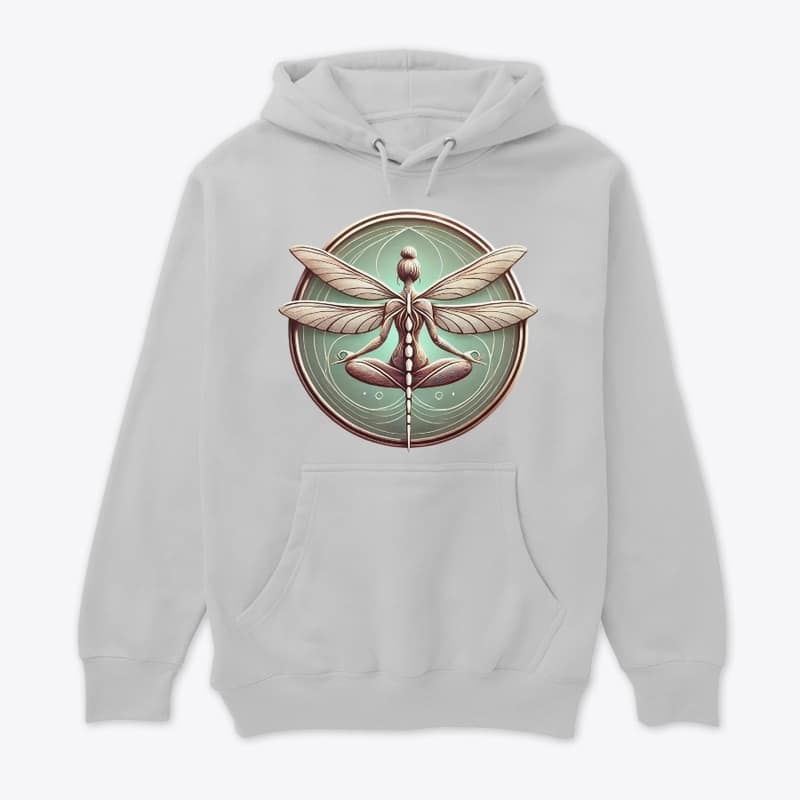
Dragonfly Girl Hoodie
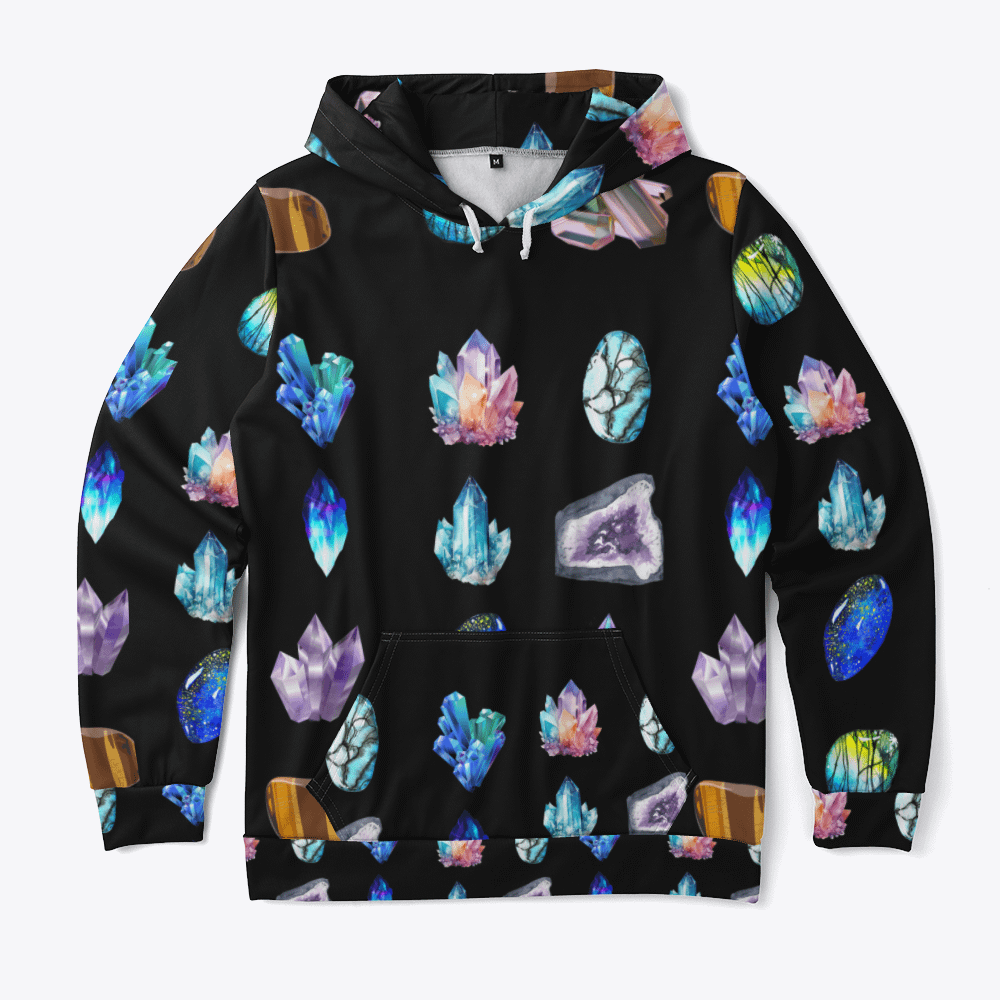
Crystal Craze Hoodie
This Chick Rides HoodieSam Lipring Logo Diecut Sticker
Prove Them All Wrong T-ShirtRide Or Die Chick Notebook
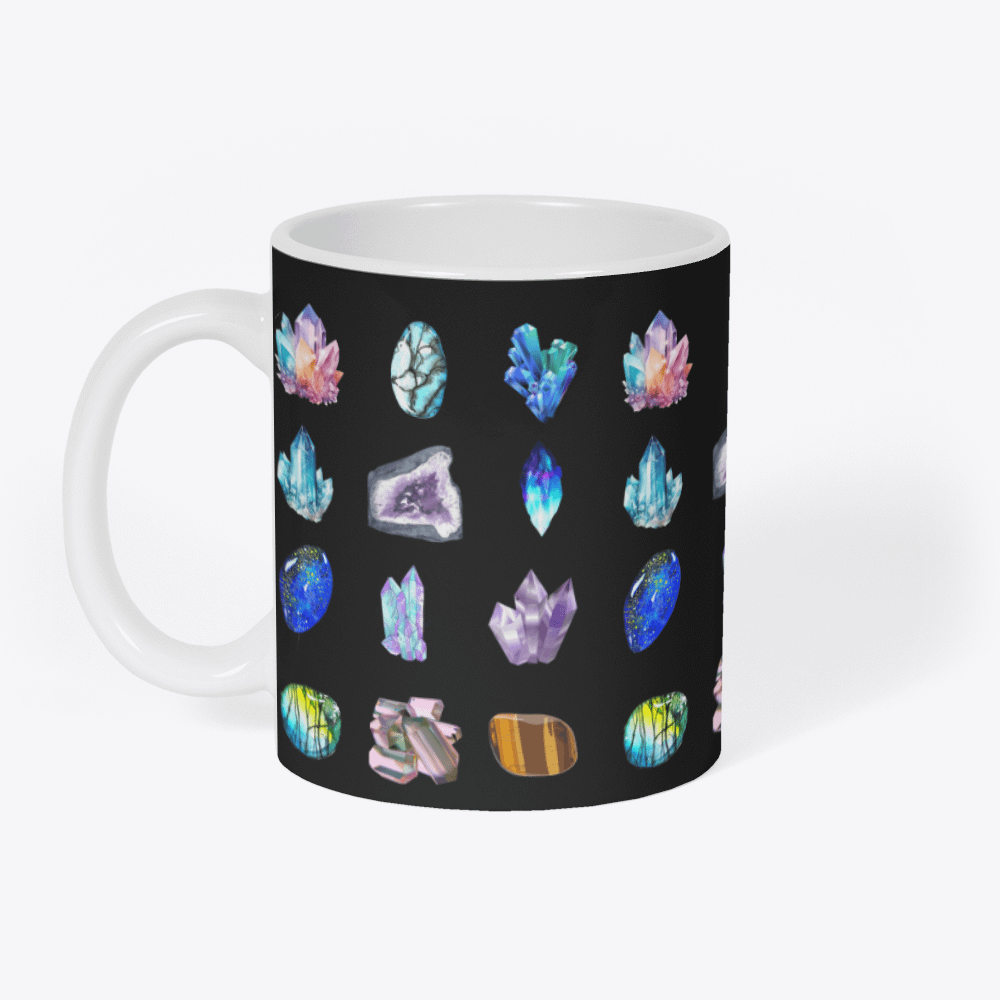
Drug War Veteran HoodieCrystal Craze Mug
More Reading...
Schedule Your Complimentary Clarity Call
If you’re feeling stuck, overwhelmed, or simply ready for the next chapter of your life, a complimentary clarity call is a great place to start. This relaxed, no-pressure conversation gives us the chance to talk about where you are, what challenges you may be facing, and what kind of growth or change you’re hoping to create. We’ll explore your goals, discuss possible next steps, and see if working together would be a good fit. Whether you decide to move forward with coaching or simply gain a new perspective, the goal of this call is to help you leave with greater clarity and direction.
Manage Cookie Consent
To provide the best experiences, we use technologies like cookies to store and/or access device information. Consenting to these technologies will allow us to process data such as browsing behavior or unique IDs on this site. Not consenting or withdrawing consent, may adversely affect certain features and functions.
Functional
Always active
The technical storage or access is strictly necessary for the legitimate purpose of enabling the use of a specific service explicitly requested by the subscriber or user, or for the sole purpose of carrying out the transmission of a communication over an electronic communications network.
Preferences
The technical storage or access is necessary for the legitimate purpose of storing preferences that are not requested by the subscriber or user.
Statistics
The technical storage or access that is used exclusively for statistical purposes.The technical storage or access that is used exclusively for anonymous statistical purposes. Without a subpoena, voluntary compliance on the part of your Internet Service Provider, or additional records from a third party, information stored or retrieved for this purpose alone cannot usually be used to identify you.
Marketing
The technical storage or access is required to create user profiles to send advertising, or to track the user on a website or across several websites for similar marketing purposes.












Your article helped me a lot, is there any more related content? Thanks!